
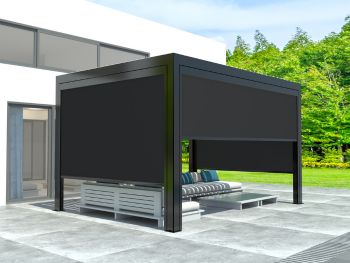
The Importance of a Stable Umbrella Base: Safety First!
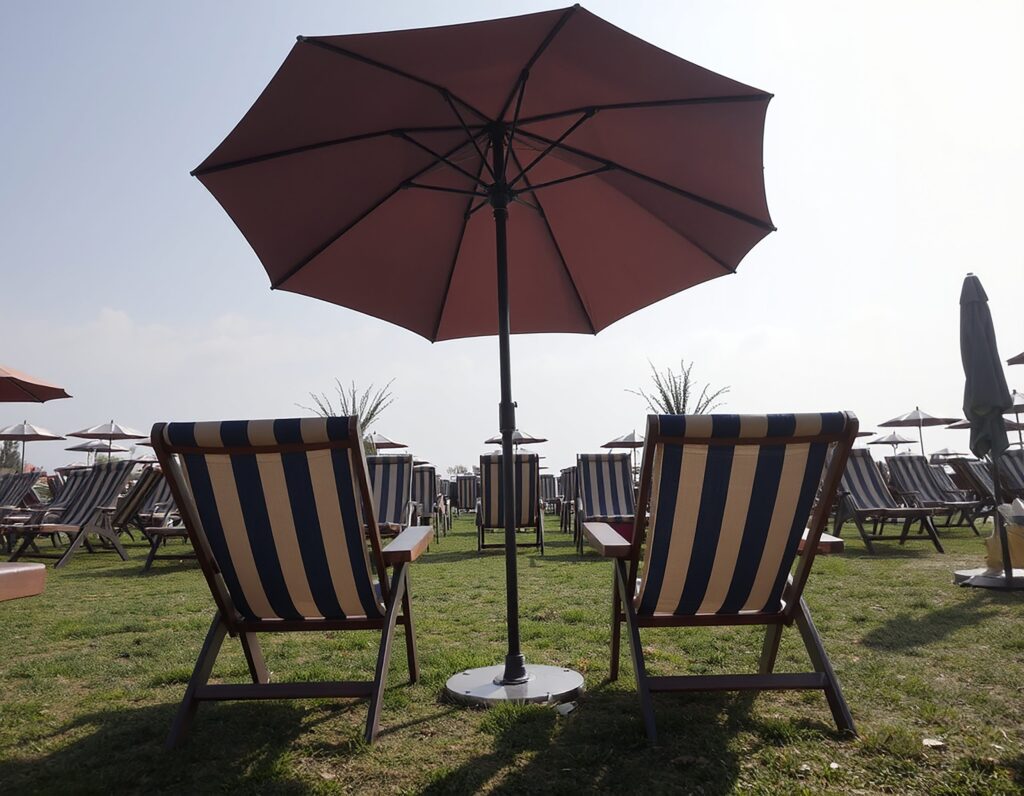
A stable umbrella base matters more than most people think. When outdoor umbrellas tip over, they create real dangers. Heavy canopies falling can hurt people and damage property. Dubai’s outdoor spaces need reliable shade solutions. Quality umbrellas with proper bases keep families and workers safe while enjoying the sun.
Why Base Stability Really Matters?
Lightweight umbrellas without proper bases turn into dangerous flying objects. Strong winds easily knock over unstable setups. Falling structures can hurt children, break furniture, or shatter windows.
Temperature changes affect umbrella stability, too. Heat expansion and contraction weaken bases over time. Sand builds up beneath umbrellas and can make them unstable. A stable base stops these problems before they start.
Commercial spaces face bigger liability concerns. Restaurants, cafes, and hotels must keep guests safe. Unstable umbrellas create legal risks and hurt business reputation. Professional bases protect both businesses and customers.
Base Weight Makes the Difference
Heavier bases provide better stability against wind and movement. Experts recommend bases weighing between 50 to 100 pounds for standard umbrellas. Larger umbrellas need even heavier bases.
Weighted bases can be filled with water or sand for extra security. This simple solution dramatically improves performance. Light bases that seem fine at first fail when strong gusts hit.
Water and sand filling allows flexibility. Property owners can adjust the weight based on seasonal wind patterns. This adaptability makes weighted bases perfect for Dubai’s changing weather conditions.
Different Base Types for Different Spaces
Center pole umbrellas work best on patio tables. Table-mounted designs prevent base tipping completely. They attach directly to furniture and stay secure.
Cantilever umbrellas have offset canopies that need substantial bases. Built-in wheeled bases can be filled with water or sand for stability. Wheels allow easy repositioning for optimal sun angles throughout the day.
Freestanding umbrellas need independent bases. These work well for patios without tables or commercial seating areas. Quality freestanding bases come with reinforced frames and weighted construction.
Best Materials for Long-Lasting Bases
Metal bases offer superior durability compared to plastic options. Aluminum resists rust in humid climates. Steel bases provide maximum strength for large commercial umbrellas. Both materials handle Dubai’s extreme conditions well.
Composite materials combine lightweight construction with good strength. These newer options fit modern designs while maintaining function. Quality composites last 5-10 years with proper care.
Choosing the Right Base for an Umbrella
Check umbrella size first. Larger canopies need proportionally heavier bases. Under-sizing bases creates unnecessary risks. Proper matching ensures the best performance.
Think about local wind patterns. Coastal areas and exposed patios face stronger gusts than sheltered spaces. More challenging locations need upgraded base systems. Location assessment guides smart base selection.
Plan for future needs. Buying slightly larger bases than current requirements allows easy upgrades later. This forward-thinking approach saves money on replacement purchases.
Making Safety a Priority
A stable umbrella base represents a small investment with major safety benefits. Protecting people and property makes this choice essential. Quality-based performance is reliable for years when properly maintained.
Don’t cut corners on base quality to save money. Accidents from umbrella failure cost far more than upgrading bases. Safety-conscious property owners recognize this truth immediately.
Invest in quality bases, ensure proper installation, and maintain them consistently. Outdoor spaces will reward this care with years of safe, comfortable shade.
Get A Free Quote