
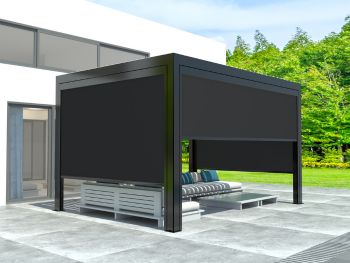
Blocking Out Glare on Your Outdoor TV: The Zip Screen Solution
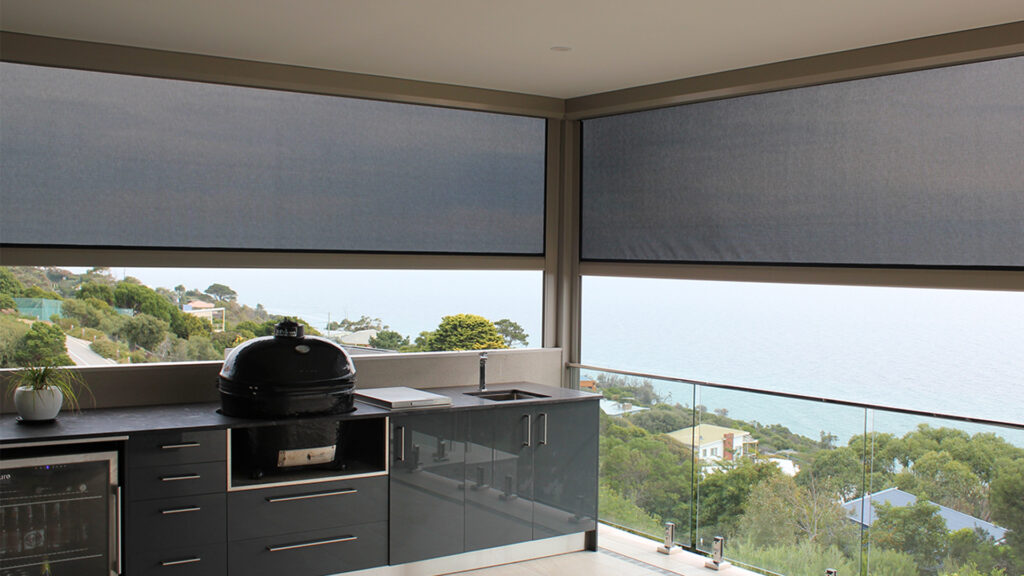
Outdoor TV glare is one of those problems that feels simple to solve until you actually try to solve it. Repositioning the screen is rarely practical. Watching at certain times of day means timing your entertainment around the sun. And the standard approach, just tolerating it, gets old quickly. An outdoor zip screen solution is an effective answer to this problem. This guide explains how it works, why it works, and what to look for if you are ready to actually fix the glare issue.
Here is what we will cover:
- Why outdoor TV glare is harder to eliminate than it seems
- What a zip screen actually is
- How zip screens reduce glare specifically
- Heat reduction and comfort benefits
- Privacy and wind protection as secondary advantages
- Motorization and control options
- Integration with existing outdoor spaces
- How Shade Pulse approaches outdoor screen solutions in Dubai
Why Outdoor TV Glare Is Harder to Eliminate Than It Seems
The sun moves throughout the day and through seasons. A position that avoids glare at 10am may be unusable at 4pm. An orientation that works in winter provides a completely different light angle in summer.
This is why simple solutions, repositioning the TV, adding a hood above it, changing your viewing angle, rarely solve the problem completely. They address one position of the sun but not the full range of conditions you will actually encounter.
Outdoor glare reduction that actually works needs to manage the full range of light conditions that affect the viewing surface, not just a single moment in the day.
What is a Zip Screen Actually?
A zip screen is a type of exterior roller blind in which the screen fabric is guided into channels on either side of the installation. The “zip” refers to the mechanism by which the fabric edges are captured in those channels.
This guided edge system means the fabric stays taut, stays flat, and stays in position regardless of wind. Unlike standard roller blinds or shade sails, a zip screen outdoor installation maintains its position and shape under the kind of wind conditions common in Dubai.
The screen fabric itself can be specified in different openness factors, ranging from very open weave that allows significant light and air through to near-opaque options that dramatically reduce light transmission.
For outdoor TV glare reduction, mid-range openness factors typically work best: they reduce glare and solar heat without eliminating the ability to see the screen when the sun is not directly problematic.
How Zip Screens Reduce Glare Specifically
Glare on an outdoor TV screen is caused by reflected light. Direct sunlight or bright sky light hitting the screen surface at an angle creates a bright reflection that overwhelms the screen’s image.
A zip screen placed between the sun and the viewing area reduces the intensity of the light reaching the screen. Even a fabric with a relatively open weave significantly reduces the direct radiation that causes glare, while maintaining enough light transmission that the space does not feel closed or enclosed.
The key is positioning. Outdoor TV shade solutions using zip screens work best when the screen is positioned to intercept the light from the direction of the sun’s most problematic angles for your specific space. A site assessment that considers the sun’s path across your outdoor area during the times you use it most helps ensure the screen is positioned effectively.
Heat Reduction and Comfort Benefits of Zip Screens
Blocking glare on your outdoor TV is a secondary benefit of zip screens in the context of their broader function. The primary effect is blocking solar radiation, which reduces both glare and heat.
Heat reduction screens in Dubai are a genuine quality-of-life improvement for outdoor spaces. The temperature differential between a shaded outdoor area with a zip screen and an unshaded area in Dubai’s summer is significant.
A well-positioned zip screen can reduce the radiant heat load on an outdoor entertainment area enough to make it comfortably usable at times when an unscreened space would be too hot to enjoy.
For an outdoor television setup, that matters: it is not just about whether you can see the screen, it is about whether the space is actually comfortable enough to sit in during the hours you want to watch.
Privacy and Wind Protection Are Secondary Advantages of Zip Screens
Zip screen blinds in Dubai provide benefits beyond glare and heat reduction.
Privacy. From outside the screen, the interior of the outdoor space is either obscured or made less visible depending on the fabric’s openness factor. For ground-level terraces or pools that face nearby properties or roads, this privacy function is often independently valuable.
Wind protection. The guided channel system that makes zip screens wind-resistant also makes them effective wind protection for the outdoor space they enclose. A patio that is uncomfortably exposed to wind is significantly more usable when a zip screen is installed on the windward side.
Rain protection. While not waterproof, closed zip screens significantly reduce the amount of wind-driven rain that reaches the space behind them. For light rain events, the screen can keep the furniture and entertainment area usable.
Motorization and Control Options in Zip Screens
Motorized zip screens are the standard specification for Dubai properties where convenience and smart home integration are expected features.
Motorized options include:
- Remote control operation for individual screens
- Grouped control that operates all screens in a space simultaneously
- Smart home integration via compatible control systems (including home automation platforms and voice control)
- Wind sensor integration that automatically retracts screens when wind speeds exceed a safe operating threshold
For outdoor living comfort in Dubai, the ability to adjust screens quickly in response to changing sun position or wind conditions is practically important. A manually operated screen that requires physical adjustment is less likely to be used than one that responds to a single button press.
Zip Screen Fabric Selection for Outdoor TV Applications
The fabric specification matters for outdoor TV viewing. The key variable is openness factor, the percentage of the fabric area that is open weave versus solid material.
- High openness factors (10%+) allow more light through, providing less glare reduction but more visual connection with the outside
- Mid-range openness factors (3% to 6%) provide meaningful glare reduction while maintaining a sense of outdoor connection
- Low openness factors (1% to 2%) provide maximum heat and glare reduction but create a more enclosed feel
For outdoor TV applications, a mid-range openness factor is typically the right balance. The fabric reduces glare enough to make the screen viewable, reduces heat enough to make the space comfortable, but does not create the feeling of being inside.
Colour also matters. Darker fabrics provide more contrast from the interior, which improves screen visibility. Lighter fabrics are more reflective to the exterior, which can improve privacy.
Integration of Zip Screens with Existing Outdoor Spaces
Outdoor privacy screens using zip systems integrate with a wide range of existing outdoor structures. They can be:
- Integrated into an existing pergola frame
- Mounted to existing building walls and overhead structures
- Installed as freestanding framed systems where no existing structure provides mounting points
- Combined with aluminum pergola systems as a complete outdoor room solution
For spaces that already have a pergola or shade structure, adding zip screens on the open sides creates a fully enclosed outdoor room that is functional across a much wider range of conditions than an open pergola alone.
How Shade Pulse Approaches Outdoor Zip Screen Solutions in Dubai
Shade Pulse installs zip screen outdoor systems for residential and commercial properties in Dubai. Their approach covers site assessment, fabric and openness factor selection, motorization specification, and installation by experienced teams who understand the demands of Dubai’s outdoor environment.
For homeowners, venue operators, and designers who want to address outdoor TV glare specifically or improve the overall usability of an outdoor entertainment space, their team can advise on the configuration that delivers the right outcome for your specific situation.
Shading solutions in Dubai that are properly specified and installed make a real, daily difference in how you use your outdoor spaces. That is the straightforward case for doing it properly.
FAQs
Will a zip screen eliminate all glare on an outdoor TV, or just reduce it?
A zip screen significantly reduces glare by cutting the intensity of direct solar radiation reaching the screen surface. For most outdoor TV viewing situations, the reduction is enough to make the screen comfortably viewable. Complete glare elimination depends on the screen’s position relative to the sun, the fabric’s openness factor, and the brightness of the screen itself.
Can zip screens be retracted when not needed?
Yes. Zip screens roll up into a compact cassette housing at the top of the installation when not in use. This allows you to use the space fully open when conditions do not require the screen, and deploy it when glare, heat, wind, or privacy make it useful. Motorized systems make this transition quick and effortless.
How are zip screens cleaned and maintained in Dubai’s dusty environment?
Regular cleaning with a soft brush or cloth to remove dust, followed by gentle washing with mild soapy water, keeps zip screen fabrics in good condition. Dubai’s occasional dust storms do deposit grit on fabrics, and removing it promptly prevents abrasion damage over time. The mechanical components (motor, channels, and cassette) should be inspected annually and the channels cleared of debris that could affect smooth operation.
Get A Free Quote