
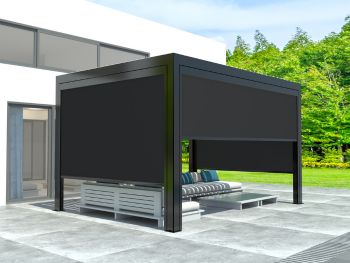
DIY Cleaning and Maintenance Tips for Your Zip Screen Blinds

Keeping your outdoor space comfortable starts with zip screen blinds maintenance you can actually manage yourself. With a few basic tools and fifteen minutes a month, you can keep your screens looking clean, moving smoothly, and lasting for years. We built this guide to walk you through exactly what to do.
At Shade Pulse, we design zip screen blinds for the UAE’s tough outdoor conditions, and we know homeowners want to protect that investment without calling a technician for every little thing. Here’s how to do it yourself, the right way.
Why DIY Maintenance Actually Matters
Dust, sand, and heat are constant here, and they take a toll on outdoor blinds faster than most people expect. Skipping maintenance doesn’t just affect looks. It shortens the life of your motor, track, and mesh fabric.
Regular care also catches small problems early. A slightly stiff track or a bit of dust buildup is easy to fix now. Left alone, it turns into a jammed screen or a worn motor.
How Often You Should Clean Your Zip Screens
Cleaning frequency depends on your environment, but a general rule works well for most homes. Dust the mesh weekly with a soft brush or microfiber cloth, and do a deeper clean every one to two months.
If you’re near construction, sand, or heavy traffic areas, clean more often. Coastal properties also need extra attention, since salt air speeds up corrosion on tracks and frames.
Cleaning the Screen Fabric Without Damaging It
Start by brushing off any loose dust and debris from both sides of the mesh. Skip the stiff brush or abrasive scrubber though, since that kind of scrubbing can tear or stretch the fabric over time.
If it needs a deeper clean, mix a little mild soap into lukewarm water. Wipe the fabric gently with a soft sponge, then go over it with a damp cloth to rinse away any soap residue. Let it air dry completely before you retract the screen. Closing it while it’s still damp is basically an invitation for mildew to grow inside the track.
Keeping the Track Clean and Moving Smoothly
This is the part most people skip, and it’s exactly why so much DIY maintenance falls short. Dust and grit build up inside the track channel over time, and that buildup is usually the real reason screens start sticking or jamming.
Use a vacuum with a narrow nozzle attachment to pull out the loose debris. Follow up with a dry or slightly damp cloth. One thing to avoid: never spray water directly into the track. It can work its way into the motor housing and cause bigger problems down the line.
Lubricating Moving Parts the Right Way
Once the track is clean, add a small amount of silicone-based lubricant along the track and zip edges. Steer clear of petroleum-based products. They tend to attract more dust and can wear down certain fabrics faster than you’d expect.
A light coat is really all it takes. Overdoing it just leaves a sticky film that collects dirt even faster than before.
Caring for the Motor and Electrical Components
Motorised blinds need a gentler approach than manual ones, mainly because your job here is to protect the components, not clean them directly. Keep the motor housing dry and wipe away any dust buildup on the outside.
Don’t try to open up or lubricate the motor on your own. If you start noticing odd noises, sluggish movement, or the screen stopping partway through its track, that’s your cue to bring in a professional before things get worse.
Preventing Corrosion on the Frame
Keeping corrosion at bay starts with making sure the frame stays dry and free of salt buildup, particularly if you’re near the coast. A quick wipe-down with a dry cloth once a month goes a long way, and if the frame gets a lot of sea air exposure, rinsing it with fresh water now and then helps too.
Take a look at the screws and mounting brackets from time to time for early signs of rust. Catching it early is what keeps the frame solid and saves you from an expensive replacement later.
Building a Simple Maintenance Routine You’ll Actually Follow
The easiest way to stay consistent is to pair tasks with a schedule you already remember. Dust weekly, deep clean monthly, and do a full frame and track inspection every season change.
Keep a small kit ready: soft brush, mild soap, microfiber cloth, and silicone lubricant. Having everything in one place removes the excuse to skip it.
How Shade Pulse Supports Your Zip Screen Blinds
We install zip screen blinds built for long-term outdoor living, but our support doesn’t stop after installation. Our team shares maintenance guidance with every customer, and we’re always available if a track, motor, or mesh issue goes beyond a simple DIY fix.
If your screens need a deeper service or a fabric replacement, we’re just a call away. Our goal is helping you get the most out of your outdoor blinds, season after season.
Frequently Asked Questions
How often should I clean my zip screen blinds?
Dust your zip screen blinds weekly with a soft cloth, and do a deeper wash every one to two months. Homes near sand, construction, or coastal air need more frequent cleaning since debris and salt buildup happen faster in those conditions.
What’s the safest way to clean outdoor blind tracks?
Use a vacuum with a narrow nozzle to clear out loose dust and grit, then wipe the track down with a dry or slightly damp cloth. Avoid spraying water directly into the track, since moisture can end up damaging the motor housing over time.
Can I lubricate my zip screen blinds myself?
Yes, that’s a task you can safely handle yourself. Just apply a light coat of silicone-based lubricant along the track and zip edges. Steer clear of petroleum-based lubricants, as they draw in dust and can break down some screen fabrics quicker than you’d think.
What causes zip screen blinds to jam or stick?
Most of the time it’s dust and debris building up inside the track channel. Cleaning the track regularly and adding a light lubricant usually takes care of it. If the jamming keeps happening after cleaning, it might be a motor issue, and that calls for a professional to take a look.
When should I call a professional for cleaning motorised zip screens instead of doing it myself?
If you hear unusual noise from the motor, notice the screen moving slower than normal, or it stops partway through its track, it’s time to call in a professional. These are usually signs of an internal motor or electrical issue, and that’s beyond what’s safe to handle as a DIY fix.
Get A Free Quote