
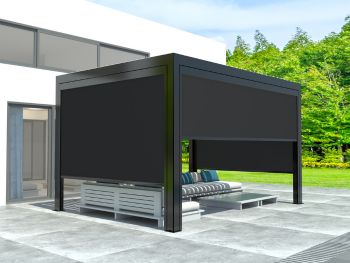
Custom Aluminum Pergola Designs & Installation Guide in Dubai
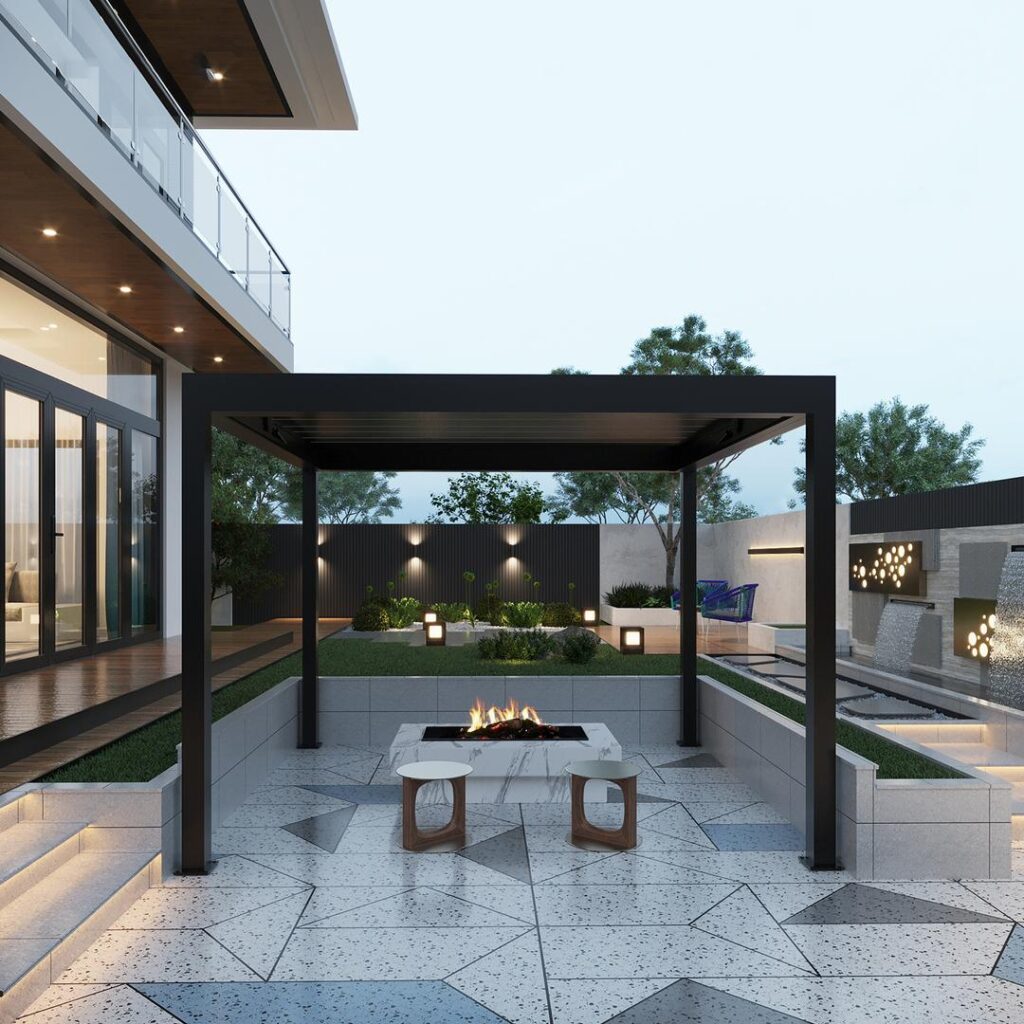
Dubai sun doesn’t play nice. Temperatures climb past 45°C for months, and if your terrace or garden sits exposed, you probably avoid it more than you use it. That’s the exact problem a custom aluminum pergola in Dubai solves. At Shade Pulse, we design and install pergolas that turn wasted outdoor space into a room you’ll actually want to sit in, morning coffee to late-night dinners.
This guide walks you through everything worth knowing before you invest in a pergola, from materials to maintenance to what actually makes a design last through a UAE summer.
Why Aluminum Beats Wood and Steel in Dubai’s Climate
Wood warps, steel rusts, and humidity and heat wear both down within a few years, and repainting or resealing becomes a yearly chore nobody enjoys. Aluminum simply doesn’t have that problem.
Powder-coated aluminum resists corrosion, doesn’t fade under constant UV exposure, and holds its shape even when temperatures swing from scorching afternoons to cooler desert nights. That’s why almost every custom aluminum pergola in Dubai we build uses marine-grade or architectural-grade aluminum frames. It’s lightweight enough for creative structural design, yet strong enough to handle sandstorms and the occasional heavy rain.
Low-maintenance materials matter more here than in milder climates. You’re not just building a patio cover, you’re building something that has to survive a genuinely harsh environment without constant upkeep.
What Makes a Pergola Design “Custom” Instead of Off-the-Shelf
A generic pergola kit gets bolted together based on standard measurements. A custom aluminum pergola in Dubai gets designed around your actual space, your home’s architecture, and how you plan to use it.
We start by looking at sun direction, wind exposure, and how the structure connects visually to your villa or building. Then we talk through the features that matter to you:
- Louvered pergola roofs that open and close to control sunlight and airflow
- Motorized pergola systems for remote-controlled shade adjustment
- Integrated LED lighting for evening entertainment
- Waterproof pergola roofing for year-round protection, not just summer shade
- Custom fabrication for irregular terrace shapes or tight garden corners
Every villa pergola or terrace pergola we’ve installed looks different because every property is different. That’s the whole point of going custom.
Louvered vs Fixed Roof Pergolas: Which Fits Your Space?
This really comes down to how you actually use your outdoor space. A fixed roof gives you constant shade, which works great over dining areas or outdoor kitchens where reliable coverage matters most. A louvered pergola hands you more control, you can open the slats to let sunlight in during winter, then close them up for full shade once summer heat kicks in.
Motorized louvers add a nice bit of convenience too, since you can adjust them right from your phone or a wall panel instead of cranking them by hand. For Dubai homeowners who use their patio all year long, that flexibility often makes the extra investment worth it. It lets one structure adapt to whatever season you’re in instead of locking you into a single fixed setup.
How Aluminum Pergolas Improve Outdoor Comfort and Property Value
A well-placed pergola doesn’t just block sun, it changes how a space feels. Shaded seating areas can run noticeably cooler than open patios, making outdoor entertainment realistic even during warmer months. Add a louvered roof or retractable screen, and you get a space that works for brunch in January and dinner in July.
There’s a financial angle too. Real estate agents across the UAE regularly point to outdoor living upgrades as a factor buyers weigh when comparing similar properties. A structurally sound, architecturally designed pergola signals that a home has been cared for and thoughtfully upgraded, which supports resale value over time.
The Installation Process: What to Expect From Start to Finish
Getting a custom aluminum pergola in Dubai installed involves more steps than people expect, though none of them should feel confusing if you’re working with the right team.
- Site assessment – We measure your space and check structural anchoring points.
- Design consultation – You choose roof style, color, lighting, and any motorized features.
- Fabrication – Your pergola components get custom cut and powder-coated.
- Installation – Our team assembles and secures the structure, usually within a few days depending on size.
- Final walkthrough – We test motorized features and confirm everything meets your expectations.
We also handle permits and structural requirements on our end, so you’re not stuck trying to make sense of building codes by yourself. That’s a big reason homeowners, architects, and commercial developers keep bringing us back for repeat projects across Dubai.
Maintaining Your Pergola for Long-Term Weather Resistance
One of the best things about aluminum is just how little upkeep it actually needs. That said, a quick seasonal check still goes a long way in keeping your structure performing at its best.
Rinse the frame every few weeks to clear dust and sand buildup, especially after windstorms. Check louvered panels or motorized tracks twice a year to make sure they move smoothly. Inspect fabric or screen elements for wear if your design includes them. None of this takes long, and it protects the weather resistance that makes aluminum worth choosing in the first place.
Ready to Build Your Custom Aluminum Pergola in Dubai?
Whether you’re shading a villa terrace, upgrading a commercial rooftop, or finally making your garden usable in summer, we design every project around your space and your climate. Reach out to Shade Pulse for a free consultation and quote for custom aluminum pergola in Dubai, and let’s turn your outdoor area into the one part of your property everyone wants to sit in.
Frequently Asked Questions
How much does a custom aluminum pergola cost in Dubai?
Pricing really comes down to size, the type of roof, and whether you’re adding extras like motorization or lighting. Fixed roof designs tend to run cheaper than louvered or motorized options. Most homeowners don’t get a solid number until after a site visit, since things like terrain, anchoring needs, and how complex the design is all play into the final price. Shade Pulse offers free, no obligation quotes based on your exact space.
How long does aluminum pergola installation take?
Most residential jobs run anywhere from a few days up to a week, depending on the size of the structure and how complicated the design is. If you’re going with a motorized or louvered system, expect extra time built in for wiring and calibration. Bigger commercial projects or custom terrace covers can stretch out longer than that. Weather delays aren’t much of a worry either, since installation teams are well used to working around Dubai’s mostly dry conditions.
Can an aluminum pergola handle Dubai’s sandstorms and heavy rain?
Yes, as long as it’s engineered and anchored properly. Powder coated aluminum frames hold up against corrosion from humidity and sand, and waterproof roofing manages seasonal rain without leaking through. The structural anchoring is built to stand up to strong desert winds. When damage does happen during extreme weather, it’s usually down to poor installation, not a problem with the material itself.
Do aluminum pergolas need planning permission in Dubai?
A lot of residential pergolas do need approval, depending on your community’s rules and the type of building involved. Villa communities and commercial properties often come with their own structural guidelines. A reputable installer takes care of the documentation and makes sure everything’s compliant before construction even starts. Shade Pulse handles the permit side of things as part of the installation process.
What’s the difference between a pergola and a patio cover?
A pergola usually has an open or adjustable roof, often with louvers so you can control airflow and light. A patio cover, on the other hand, is typically a solid, fixed roof built to give you continuous shade. Pergolas give you a lot more design flexibility and can come with motorized or waterproof options. Patio covers are the better fit when uninterrupted shade is really the main priority.