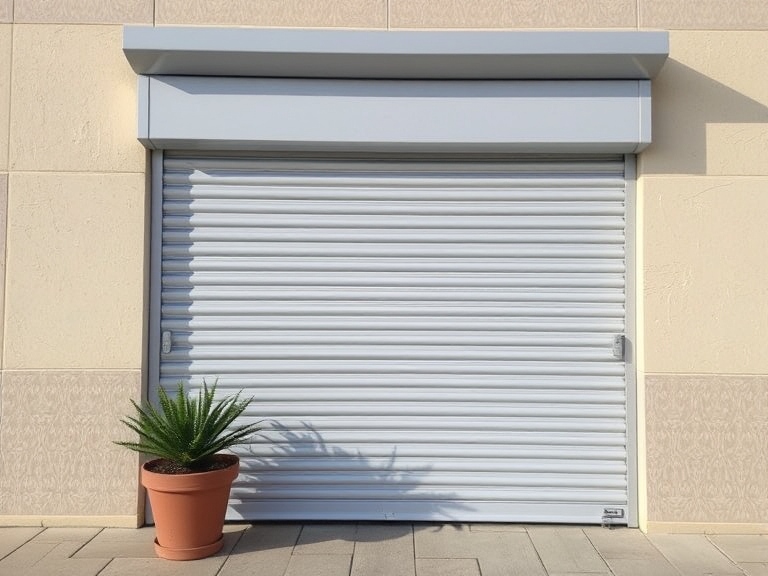
Roller garage door motors make opening and closing garage doors easy. Push a button, and the door moves up or down effortlessly. But choosing the right motor can feel confusing with all the different types available.
Understanding how these motors work helps homeowners pick the best option for their needs. This guide breaks down everything about garage door motors in simple terms.
Motors use either AC (alternating current) or DC (direct current) power. These two types work differently and offer unique benefits.
AC motors cost less money up front. They use regular household electricity and last many years with basic care. Most older homes have these motors installed. They get the job done without fancy features.
DC motors are quieter, more energy-efficient, and support battery backup. During power cuts in the UAE, battery backup keeps the door working. This feature matters a lot during summer storms.
Motor power gets measured in horsepower (HP) and lifting force. The right power depends on how heavy the door is.
Half HP motors work well for standard two-car garage doors made from aluminum or steel. These lightweight materials don’t need much power to lift. Most homes in Dubai and Sharjah use doors that fit this category.
Three-quarter HP to one HP motors handle heavier doors. Wooden doors or insulated models need this extra power. The motor works harder but moves the door smoothly without strain.
Lifting force ranges from 250 N to N, depending on motor size. Higher numbers mean stronger pulling power. Commercial garages often need motors with 800 N or more lifting force.
In recent years, technological advancements have made garage door motors smarter, quieter, and more energy-efficient. Modern motors come packed with helpful features.
Smart technology connects motors to phones and home systems. Control the automatic roller garage from anywhere using an app. Check if the door is closed while sitting at work or traveling outside the UAE.
Rolling code security changes the access code every time someone uses the remote. This stops thieves from copying the signal. Safety sensors detect objects in the door’s path and reverse automatically to prevent accidents.
Some motors make loud grinding sounds, while others run almost silently. The drive system creates most of the noise.
Belt drive motors operate very quietly. A rubber belt moves the door instead of metal chains. Families with bedrooms near the garage prefer these motors because they don’t disturb sleep. Chain drive motors cost less but make more noise. Metal chains clank against the track as they move.
Door size directly affects which motor works best. Bigger doors need stronger motors to lift properly.
Standard single-car garage doors measure around 7 feet tall. Most basic motors handle these sizes easily. The door weighs less and moves quickly.
Double-car garage doors span wider and weigh more. These need motors with higher horsepower ratings. Weak motors struggle and wear out faster when matched with large doors.
Commercial roller garage doors in warehouses or shops often reach 10 feet or higher. These require industrial-strength motors with maximum lifting force. Regular home motors can’t handle this weight safely.

March 20, 2026