Outdoor seating is some of the most valuable real estate a restaurant or cafe can have. Guests want it. They choose venues partly based on whether outdoor dining is available and how comfortable it is. But in the UAE, outdoor seating has a short natural window. The heat, the wind, the dust, and the occasional sandstorm conspire to make outdoor dining uncomfortable for months at a time. Zip screens for restaurants and cafes are changing that equation.
Zip screens give restaurant and café owners the ability to extend outdoor seating into more months of the year, control the environment inside the screened area, and create a defined, comfortable space that guests actively enjoy rather than just tolerate.
In this guide, we will cover:
What Are Zip Screens and How Do They Work?
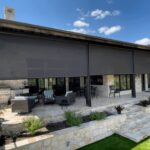
A zip screen is a retractable screen system where the fabric is held in channel guides on both sides, like a zip running vertically. This guided edge system prevents the screen from billowing inward or flapping in the wind, which is the key problem with free-hanging curtains or simple drop-down screens.
When closed, a zip screen creates a taut, sealed barrier that blocks wind, reduces direct sunlight and heat, and significantly improves the thermal comfort of the space behind it.
Zip screen blinds can be operated manually with a strap or crank, or motorized for ease of use. In commercial hospitality environments, motorized operation is usually the practical choice. Staff can adjust multiple screens quickly at the start and end of service or in response to changing conditions.
The fabric options include transparent or semi-transparent mesh that maintains views and lets in light while blocking wind and reducing solar heat gain, or solid fabrics for maximum privacy and heat reduction.
Why UAE Restaurants and Cafes Need Zip Screens
In most temperate climates, outdoor dining is limited by rain and cold. In the UAE, the challenges are different.
Heat: Summer temperatures regularly exceed 40°C. Direct solar heat gain and radiated heat from surrounding surfaces make outdoor seating genuinely dangerous during peak summer months. Zip screens combined with overhead shading can reduce the perceived temperature inside a screened area by several degrees, making spaces usable for more of the year.
Wind and dust: The UAE experiences regular episodes of strong, dust-laden wind. Wind makes outdoor dining uncomfortable in ways that go beyond discomfort. Menus blow off tables. Drinks get contaminated. Food presentation suffers. A zip screen system on the windward side of an outdoor terrace addresses all of this simultaneously.
Privacy and ambiance: A properly designed zip screen system creates a defined, enclosed feel to an outdoor space without making it feel like an indoor room. Guests feel sheltered without feeling boxed in, particularly when semi-transparent mesh fabrics are used.
Noise reduction: In busy urban or street-facing locations, zip screens provide a meaningful degree of noise reduction from traffic and street activity. This improves the dining atmosphere considerably.
The Revenue Case for Zip Screens
This is the argument that tends to land with operators more than any other. An outdoor terrace that is usable for ten months of the year generates significantly more revenue than one that is comfortable for four. Zip screens that allow you to use your outdoor seating in shoulder seasons, evenings, and periods of moderate wind represent additional covers that require no additional rent or floor space.
They also allow operators to keep outdoor seating open when conditions deteriorate during a service, rather than moving guests inside and losing cover numbers.
In the UAE hospitality market, where margins are tight and competition for guests is constant, any investment that extends usable outdoor seating time and improves the guest experience has a clear return.
Zip Screens vs. Other Outdoor Dining Shade Solutions
Zip screens vs. fixed glass enclosures
Glass enclosures offer excellent wind and dust protection, but they create a fully enclosed indoor-feeling space. They require more structural support, are significantly more expensive, and cannot be opened to create a genuine outdoor feel when conditions are good. Zip screens offer flexibility that glass does not.
Zip screens vs. retractable awnings
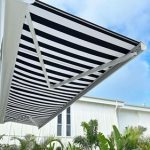
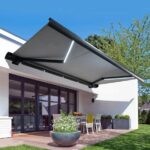
Awnings provide overhead shade but no lateral wind or dust protection. They are also more vulnerable to wind damage because they cannot be tensioned into guides. For comprehensive environmental control, zip screens complement awnings but do not serve the same function alone.
Zip screens vs. café curtains or drape systems
Free-hanging fabric systems flap in the wind, do not create a proper seal, and are generally not suitable for commercial use in the UAE climate. Zip screens, with their tensioned guide system, behave completely differently and maintain their shape and seal under the wind conditions that typically affect UAE outdoor dining spaces.
What to Consider When Specifying Zip Screens for Your Venue
Coverage area and orientation
Identify which sides of your terrace need screening. The windward sides usually need the most attention. Overhead coverage through existing umbrellas or a pergola combined with zip screens on the sides creates the most controlled environment.
Fabric choice
Semi-transparent mesh is the most popular choice for UAE restaurants and cafes. It allows guests to maintain a visual connection to the outside, keeps the space feeling open, and still blocks wind effectively. It also allows natural light in, which is important during daytime service.
Solid fabrics give maximum privacy and heat reduction but create a more enclosed atmosphere.
Motorization
For commercial venues with multiple screens, motorized operation is nearly always the right choice. Staff can adjust all screens quickly, and systems can be integrated with timers or sensors to automate operation based on time of day or wind speed.
Branding integration
Zip screens can be produced in custom colors and, in some configurations, with printed branding elements. This is worth exploring at the specification stage if brand consistency across your outdoor space matters to your concept.
Structural integration
Zip screen systems need to be anchored to suitable structural elements, whether that is the building facade, a pergola frame, or purpose-built posts. The installation must be able to handle the tension loads and wind forces that the screens will experience. A proper structural assessment is part of the installation process for any reputable supplier.
Restaurant Terrace Screening in the UAE: Seasonal Planning
Many UAE operators think about zip screens for restaurants and cafes in the context of their hottest months. But the value extends through the year.
In the cooler months from October to April, UAE evenings can drop to temperatures that feel cool with any wind chill. Zip screens on one or two sides of a terrace make evening outdoor dining comfortable even when the temperature drops.
During the peak summer months, zip screens in conjunction with misting systems and overhead shade can make previously unusable outdoor spaces workable for lunch service in air-conditioned comfort.
Year-round thinking, rather than reactive problem-solving, gives operators the most from their outdoor space investment.
How ShadePulse Works with UAE Hospitality Operators
ShadePulse supplies and installs zip screens in the UAE for restaurants, cafes, hotels, and commercial properties. Their team works with operators from site assessment through to installation, including fabric selection, structural requirements, and motorization options.
For venues that want to make the most of their outdoor seating and protect that revenue stream year-round, a zip screen consultation is a practical starting point.
Visit shadepulse.ae to discuss your venue’s requirements and see what is possible for your outdoor space.
Frequently Asked Questions
Q: How long does a zip screen installation typically take for a restaurant terrace?
For a standard terrace with three to six panels, the actual installation is usually done within a day or two once the screens have been made. Fabrication, from site measure to delivery, typically runs two to four weeks depending on the supplier and how complex the job is. If you’re working around a renovation or a new opening, building that lead time into your schedule early saves a lot of last-minute stress. Most installations can also be timed around your quieter periods to keep disruption to a minimum.
Q: Can zip screens handle the strong winds that occur during UAE dust storms?
Yes, but only quality commercial zip screens are engineered to handle significant wind loads, and the guided edge system keeps the fabric taut and controlled rather than allowing it to flap. However, no retractable screen system is designed for extreme storm conditions. Most commercial systems should be retracted when sustained winds exceed the manufacturer’s specified wind speed rating. Motorized systems with integrated wind sensors can automate this retraction, which is a useful feature for venues where staff may not always be monitoring conditions actively.
Q: Are there zip screen options that provide both shade and insect protection for outdoor dining?
Yes. Some zip screen mesh fabrics are available in finer weaves that provide a meaningful degree of insect exclusion while still allowing air circulation and maintaining visibility. This is particularly useful for venues near waterways or greenery where insects are a concern during evening service. Specify this requirement at the quotation stage as not all standard mesh fabrics provide adequate insect protection without a reduction in airflow that may not suit your space.

March 20, 2026