Shade Pulse logo
Coverage
Dubai, Abu Dhabi & All UAE
Work Time
Sat – Thu, 8.30 AM - 6.30 PM
Call Us Today

Modern Garage Doors in Dubai: Smart, Safe, and Stylish Options for Every Home

Custom roller garage doors UAE

Your garage door is the largest moving part of your home. It’s also one of the most visible. In Dubai, where homes are designed to impress and security matters, a dated, slow-moving, or unreliable garage door is an obvious problem. The market for garage doors in Dubai that homeowners actually want has moved a long way in recent years.

At Shade Pulse, we help homeowners and developers across Dubai choose and install modern garage doors that work as hard as they look good.

In this blog, we’ll cover:

  • The main types of modern garage doors available in Dubai
  • Smart garage system features and what they actually add
  • Security considerations for residential garage doors
  • How to choose the right door for your home


Modern Garage Designs: What’s Available for Dubai Homes

The garage door market has moved beyond the simple white paneled door. Modern designs available for Dubai homes include:

Sectional garage doors consist of horizontal panel sections that slide up and back along tracks. They’re one of the most common types in Dubai villas because they maximize the use of interior garage space, don’t require clearance in front of the garage to open, and are available in a wide range of finishes and designs.

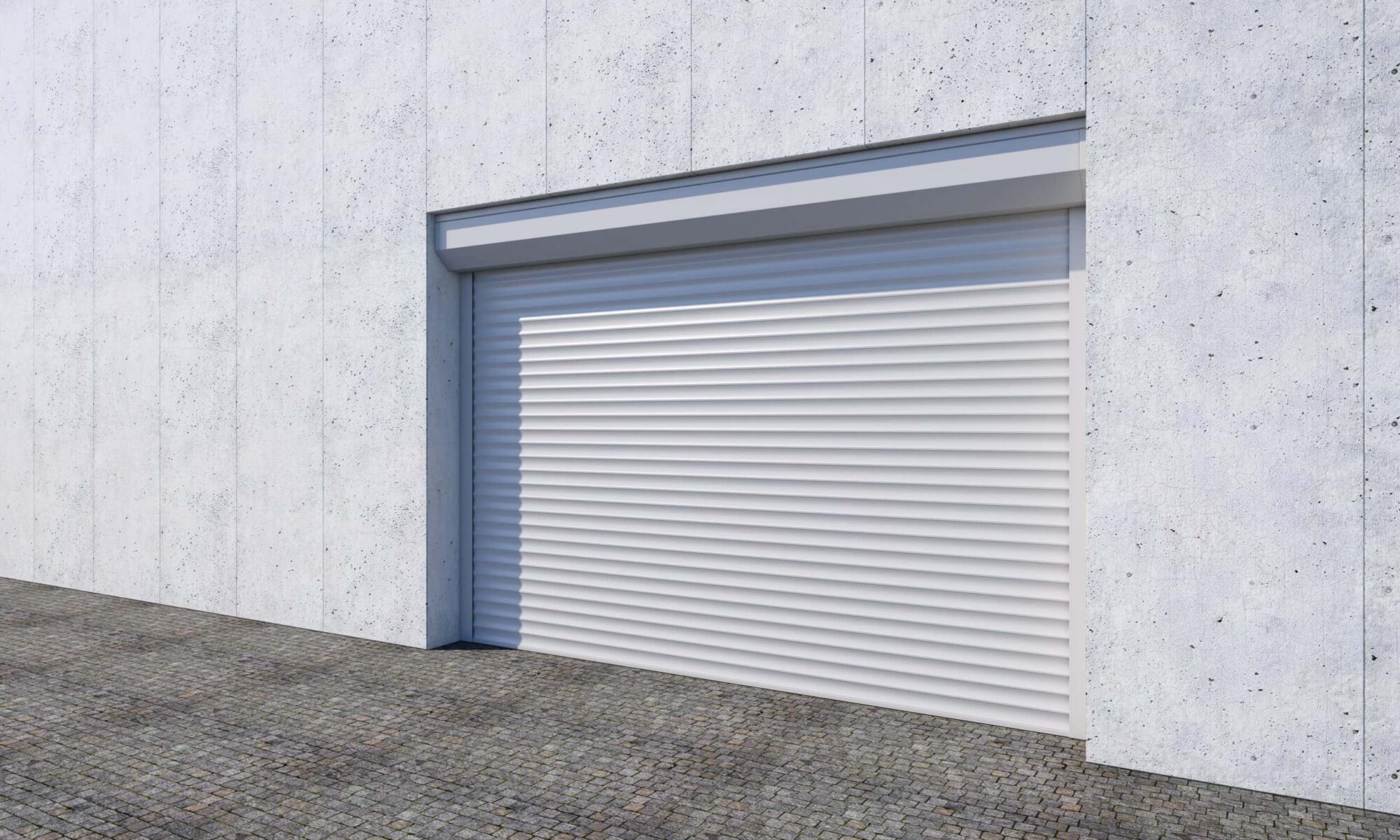
Roller garage doors coil into a compact housing above the garage opening. They’re an excellent choice for garages with limited headroom or where the clean, minimal look of a roll-up door fits the architectural style.

Side-hinged garage doors open outward like traditional doors. Less common in Dubai for full vehicle garages, they work well for workshop-style garages and suit properties where a traditional aesthetic is desired.

Custom garage doors allow full specification of materials, finishes, and dimensions. Wood effect, brushed aluminum, perforated steel, glass panels, and combinations are all achievable.

At Shade Pulse, we work with clients on custom garage door specifications when standard options don’t match their architectural vision.


Automatic Garage Doors UAE: What Smart Systems Add

Manual garage doors still work. But for most Dubai homeowners, the convenience, security, and features of automatic systems make them the clear choice.

Remote and smartphone control

Open and close your garage from inside the car, from inside the house, or remotely via your phone. Checking whether you left the garage open from the office is genuinely useful.

Auto-close functionality

Programs the door to close automatically after a set time if left open. Addresses one of the most common home security vulnerabilities.

Access logging

Smart systems record when the garage was opened and closed. This provides useful information about household activity and supports security management.

Integration with home automation systems

For Dubai homes with smart home platforms, garage door integration allows the garage to be part of departure and arrival routines alongside lighting, HVAC, and security systems.

Safety sensors

Automatic doors include sensors that stop and reverse the door if an obstruction is detected during closing. This is essential for homes with children and pets.


Secure Garage Solutions: Why the Garage Is a Security Priority

The garage is one of the most common unauthorized entry points in residential properties. A direct access door from the garage to the house interior makes this even more critical.

Modern secure garage solutions address this with:

High-torque electric motors with anti-tamper features. Quality garage door operators use security codes that prevent signal copying by remotes.

Rolling code technology. Each time the remote is used, the access code changes. This prevents the code interception attacks that older fixed-code systems were vulnerable to.

Manual lock mechanisms. For periods when you’re traveling or the property is unoccupied, a physical locking mechanism provides an additional layer of security independent of the electric operation.

Robust door construction. A door panel that resists forced entry from outside, with solid steel or reinforced aluminum construction, is the foundation of garage security.

At Shade Pulse, we specifically discuss security features with clients when specifying garage doors installations. A beautiful door that’s easily forced is not doing its job.


Residential Garage Doors: Choosing the Right Size and Specification

Getting the size right matters more than most people think.

Standard single car garage doors in Dubai are typically around 2.5 to 3 meters wide and 2 to 2.1 meters tall. For modern larger vehicles, SUVs, and pickup trucks popular in Dubai, 3 meters wide and 2.2 to 2.4 meters tall provides comfortable clearance.

Double garage doors for two-car garages are typically 5 to 6 meters wide.

The height of the opening and the available headroom above the door are both critical measurements that determine which door type and opener configuration is possible. We take these measurements precisely before specifying anything.

Door weight affects the motor specification. Heavy solid doors need more powerful operators. We match the motor capacity to the door specification to ensure long-term reliable operation.

Thermal and weather performance matters in Dubai. Insulated garage door panels reduce heat transfer into the garage from the exterior, which is significant when your garage directly connects to your home interior.


Insulated Garage Doors: Managing Dubai’s Heat

An uninsulated metal garage door facing west in a Dubai summer gets extremely hot. That heat transfers into your garage space and from there into your home interior, adding to your cooling load.

Insulated garage doors use a polyurethane or polystyrene core within the door panel to reduce heat conductivity. A properly insulated sectional door can significantly reduce the temperature differential between the garage and the outside air, particularly on sun-exposed facades.

For garages that are used as workshops, gym spaces, or have utility rooms attached, this insulation benefit is even more relevant to occupant comfort.


Frequently Asked Questions

How long does professional garage door installation take in Dubai?

For a standard automatic sectional or roller door, most single garage installations take four to eight hours. Custom doors or more complex setups may need a bit more time. We give you a specific timeline when we confirm your appointment, and wherever possible our team aims to wrap everything up in a single visit.

What maintenance does an automatic garage door need in Dubai?

Annual servicing is the general recommendation, covering lubrication of moving parts, spring tension checks, safety sensor testing, panel inspection, and motor and remote verification. In Dubai specifically, dust and heat put extra strain on moving components, so keeping things clean and properly lubricated matters more than it might elsewhere. Shade Pulse offers maintenance agreements if you’d rather not think about scheduling it yourself.

Can I replace just the garage door motor without changing the whole door?

Usually, yes. If your panels and hardware are still in good shape, swapping out an aging or failed motor is often a straightforward and cost-effective fix. The main thing to confirm is compatibility between the new motor and your existing mechanism. Get in touch with us and we’ll take a look at what you have and give you a straight answer on whether a motor replacement is the right call.
Blocking Out Glare on Your Outdoor TV: The Zip Screen Solution

Zip Screen Solution

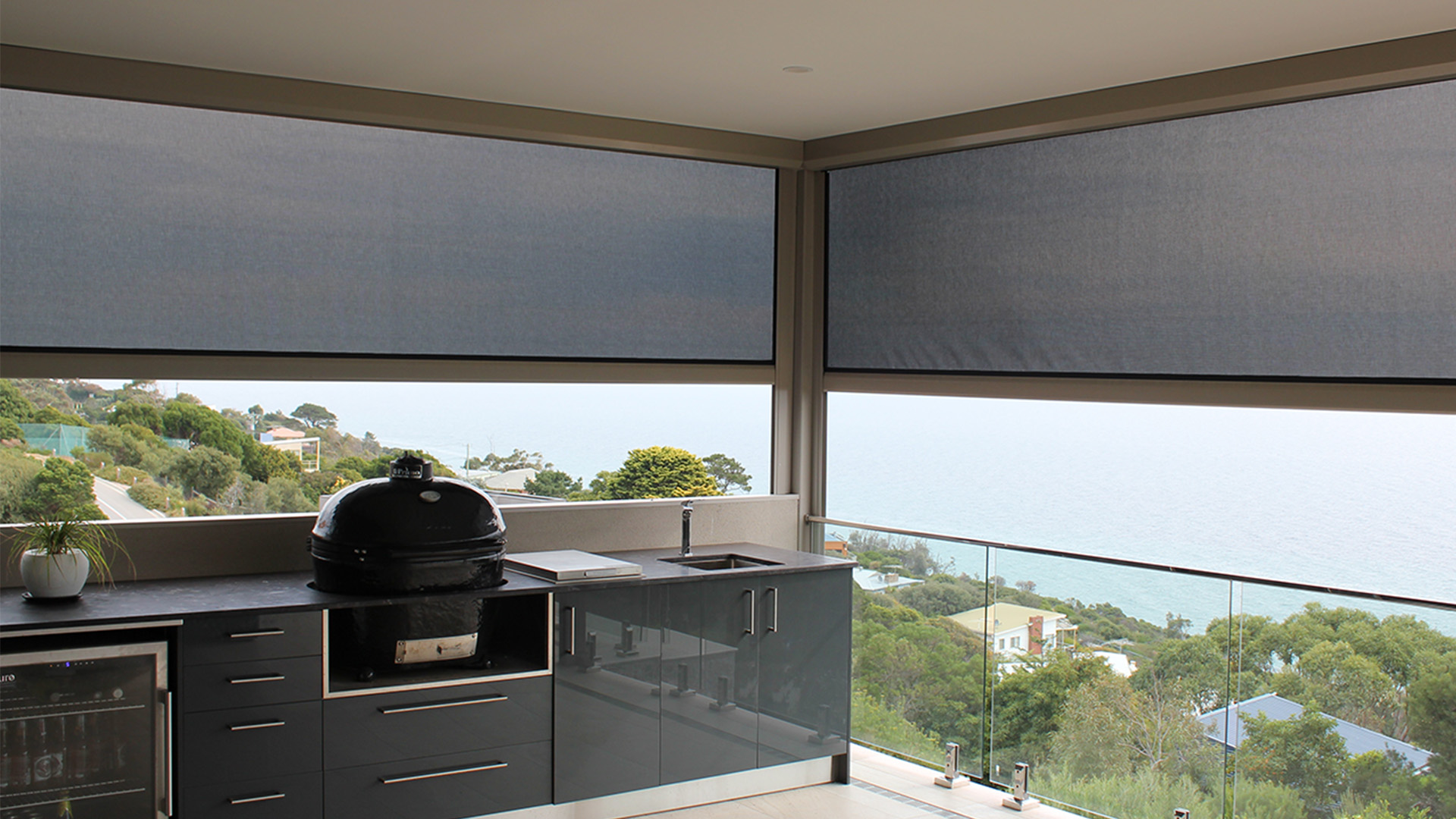
Outdoor TV glare is one of those problems that feels simple to solve until you actually try to solve it. Repositioning the screen is rarely practical. Watching at certain times of day means timing your entertainment around the sun. And the standard approach, just tolerating it, gets old quickly. An outdoor zip screen solution is an effective answer to this problem. This guide explains how it works, why it works, and what to look for if you are ready to actually fix the glare issue.

Here is what we will cover:

  • Why outdoor TV glare is harder to eliminate than it seems
  • What a zip screen actually is
  • How zip screens reduce glare specifically
  • Heat reduction and comfort benefits
  • Privacy and wind protection as secondary advantages
  • Motorization and control options
  • Integration with existing outdoor spaces
  • How Shade Pulse approaches outdoor screen solutions in Dubai


Why Outdoor TV Glare Is Harder to Eliminate Than It Seems

The sun moves throughout the day and through seasons. A position that avoids glare at 10am may be unusable at 4pm. An orientation that works in winter provides a completely different light angle in summer.

This is why simple solutions, repositioning the TV, adding a hood above it, changing your viewing angle, rarely solve the problem completely. They address one position of the sun but not the full range of conditions you will actually encounter.

Outdoor glare reduction that actually works needs to manage the full range of light conditions that affect the viewing surface, not just a single moment in the day.


What is a Zip Screen Actually?

A zip screen is a type of exterior roller blind in which the screen fabric is guided into channels on either side of the installation. The “zip” refers to the mechanism by which the fabric edges are captured in those channels.

This guided edge system means the fabric stays taut, stays flat, and stays in position regardless of wind. Unlike standard roller blinds or shade sails, a zip screen outdoor installation maintains its position and shape under the kind of wind conditions common in Dubai.

The screen fabric itself can be specified in different openness factors, ranging from very open weave that allows significant light and air through to near-opaque options that dramatically reduce light transmission.

For outdoor TV glare reduction, mid-range openness factors typically work best: they reduce glare and solar heat without eliminating the ability to see the screen when the sun is not directly problematic.


How Zip Screens Reduce Glare Specifically

Glare on an outdoor TV screen is caused by reflected light. Direct sunlight or bright sky light hitting the screen surface at an angle creates a bright reflection that overwhelms the screen’s image.

A zip screen placed between the sun and the viewing area reduces the intensity of the light reaching the screen. Even a fabric with a relatively open weave significantly reduces the direct radiation that causes glare, while maintaining enough light transmission that the space does not feel closed or enclosed.

The key is positioning. Outdoor TV shade solutions using zip screens work best when the screen is positioned to intercept the light from the direction of the sun’s most problematic angles for your specific space. A site assessment that considers the sun’s path across your outdoor area during the times you use it most helps ensure the screen is positioned effectively.


Heat Reduction and Comfort Benefits of Zip Screens

Blocking glare on your outdoor TV is a secondary benefit of zip screens in the context of their broader function. The primary effect is blocking solar radiation, which reduces both glare and heat.

Heat reduction screens in Dubai are a genuine quality-of-life improvement for outdoor spaces. The temperature differential between a shaded outdoor area with a zip screen and an unshaded area in Dubai’s summer is significant.

A well-positioned zip screen can reduce the radiant heat load on an outdoor entertainment area enough to make it comfortably usable at times when an unscreened space would be too hot to enjoy.

For an outdoor television setup, that matters: it is not just about whether you can see the screen, it is about whether the space is actually comfortable enough to sit in during the hours you want to watch.


Privacy and Wind Protection Are Secondary Advantages of Zip Screens

Zip screen blinds in Dubai provide benefits beyond glare and heat reduction.

Privacy. From outside the screen, the interior of the outdoor space is either obscured or made less visible depending on the fabric’s openness factor. For ground-level terraces or pools that face nearby properties or roads, this privacy function is often independently valuable.

Wind protection. The guided channel system that makes zip screens wind-resistant also makes them effective wind protection for the outdoor space they enclose. A patio that is uncomfortably exposed to wind is significantly more usable when a zip screen is installed on the windward side.

Rain protection. While not waterproof, closed zip screens significantly reduce the amount of wind-driven rain that reaches the space behind them. For light rain events, the screen can keep the furniture and entertainment area usable.


Motorization and Control Options in Zip Screens

Motorized zip screens are the standard specification for Dubai properties where convenience and smart home integration are expected features.

Motorized options include:

  • Remote control operation for individual screens
  • Grouped control that operates all screens in a space simultaneously
  • Smart home integration via compatible control systems (including home automation platforms and voice control)
  • Wind sensor integration that automatically retracts screens when wind speeds exceed a safe operating threshold

For outdoor living comfort in Dubai, the ability to adjust screens quickly in response to changing sun position or wind conditions is practically important. A manually operated screen that requires physical adjustment is less likely to be used than one that responds to a single button press.


Zip Screen Fabric Selection for Outdoor TV Applications

The fabric specification matters for outdoor TV viewing. The key variable is openness factor, the percentage of the fabric area that is open weave versus solid material.

  • High openness factors (10%+) allow more light through, providing less glare reduction but more visual connection with the outside
  • Mid-range openness factors (3% to 6%) provide meaningful glare reduction while maintaining a sense of outdoor connection
  • Low openness factors (1% to 2%) provide maximum heat and glare reduction but create a more enclosed feel

For outdoor TV applications, a mid-range openness factor is typically the right balance. The fabric reduces glare enough to make the screen viewable, reduces heat enough to make the space comfortable, but does not create the feeling of being inside.

Colour also matters. Darker fabrics provide more contrast from the interior, which improves screen visibility. Lighter fabrics are more reflective to the exterior, which can improve privacy.


Integration of Zip Screens with Existing Outdoor Spaces

Outdoor privacy screens using zip systems integrate with a wide range of existing outdoor structures. They can be:

  • Integrated into an existing pergola frame
  • Mounted to existing building walls and overhead structures
  • Installed as freestanding framed systems where no existing structure provides mounting points
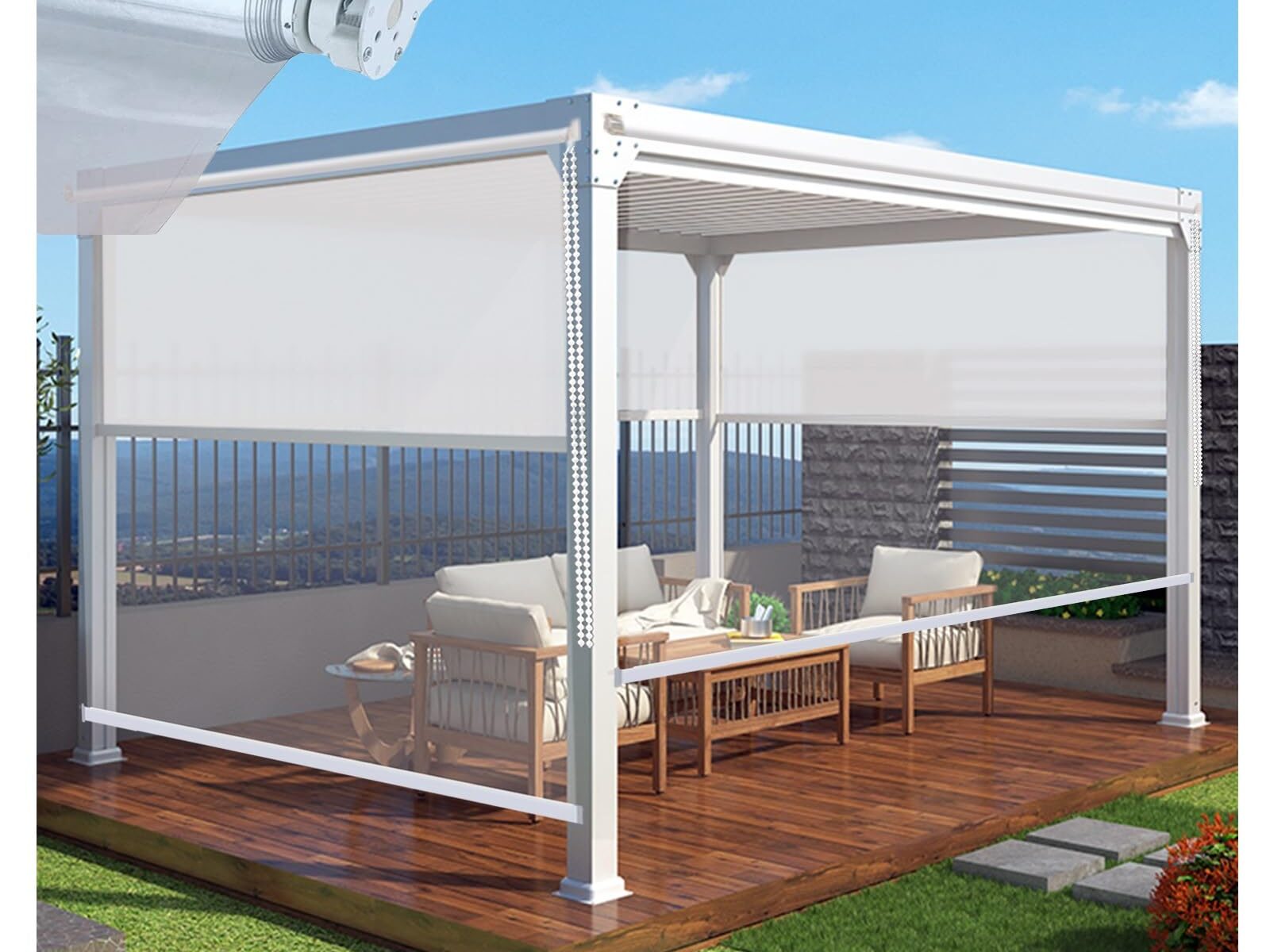
  • Combined with aluminum pergola systems as a complete outdoor room solution

For spaces that already have a pergola or shade structure, adding zip screens on the open sides creates a fully enclosed outdoor room that is functional across a much wider range of conditions than an open pergola alone.


How Shade Pulse Approaches Outdoor Zip Screen Solutions in Dubai

Shade Pulse installs zip screen outdoor systems for residential and commercial properties in Dubai. Their approach covers site assessment, fabric and openness factor selection, motorization specification, and installation by experienced teams who understand the demands of Dubai’s outdoor environment.

For homeowners, venue operators, and designers who want to address outdoor TV glare specifically or improve the overall usability of an outdoor entertainment space, their team can advise on the configuration that delivers the right outcome for your specific situation.

Shading solutions in Dubai that are properly specified and installed make a real, daily difference in how you use your outdoor spaces. That is the straightforward case for doing it properly.


FAQs

Will a zip screen eliminate all glare on an outdoor TV, or just reduce it?

A zip screen significantly reduces glare by cutting the intensity of direct solar radiation reaching the screen surface. For most outdoor TV viewing situations, the reduction is enough to make the screen comfortably viewable. Complete glare elimination depends on the screen’s position relative to the sun, the fabric’s openness factor, and the brightness of the screen itself.

Can zip screens be retracted when not needed?

Yes. Zip screens roll up into a compact cassette housing at the top of the installation when not in use. This allows you to use the space fully open when conditions do not require the screen, and deploy it when glare, heat, wind, or privacy make it useful. Motorized systems make this transition quick and effortless.

How are zip screens cleaned and maintained in Dubai’s dusty environment?

Regular cleaning with a soft brush or cloth to remove dust, followed by gentle washing with mild soapy water, keeps zip screen fabrics in good condition. Dubai’s occasional dust storms do deposit grit on fabrics, and removing it promptly prevents abrasion damage over time. The mechanical components (motor, channels, and cassette) should be inspected annually and the channels cleared of debris that could affect smooth operation.

Modern Aluminum Pergolas in Dubai: Stylish Shade Solutions for Homes & Gardens

Residential aluminum pergola Dubai

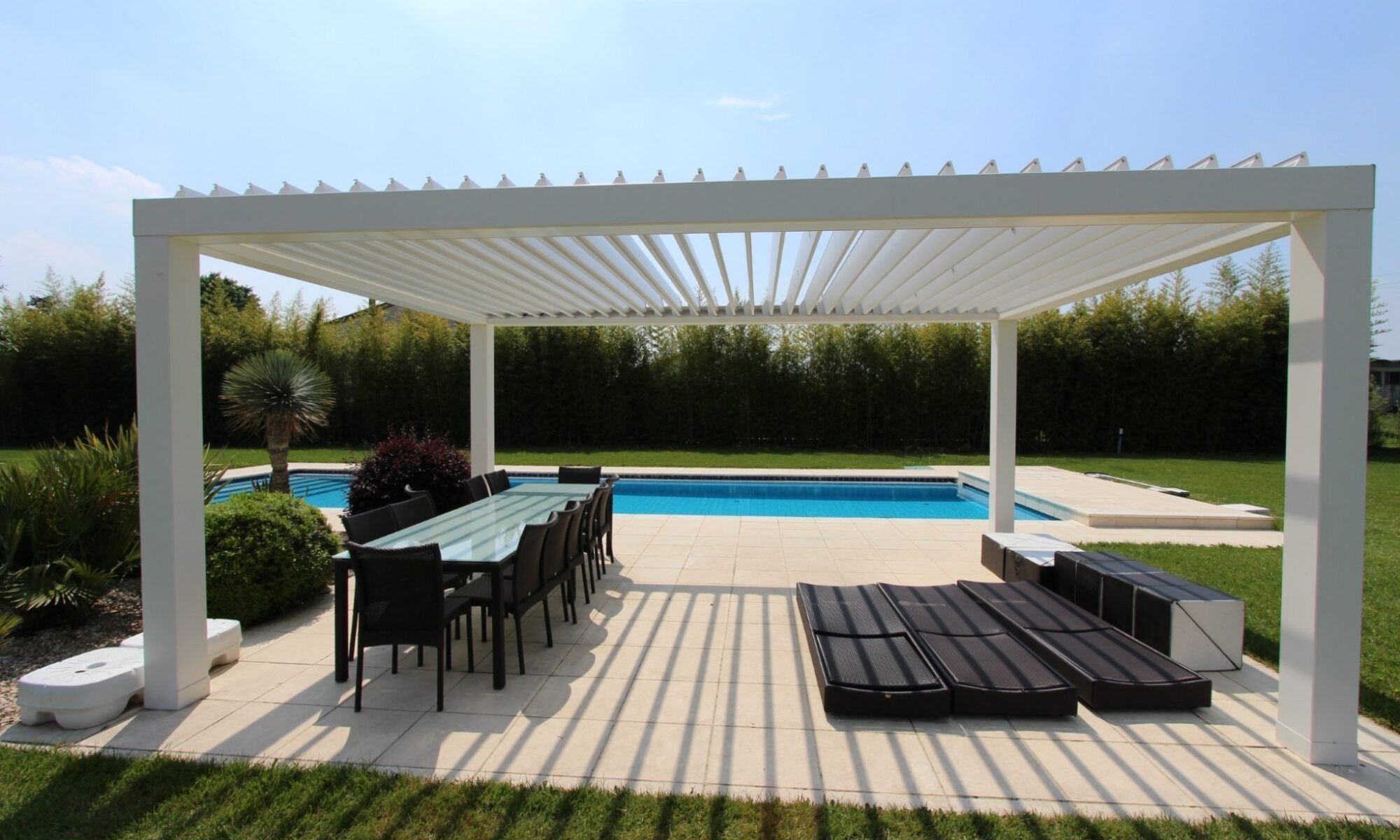
Dubai’s outdoor lifestyle is real. Rooftop terraces, private villa gardens, hotel pool decks, and residential balconies are all spaces where people genuinely want to spend time. But without the right shade structure, most of those spaces are unusable for a significant portion of the year.  Aluminum pergolas in Dubai have become one of the most popular solutions to this problem, and for good reason. They are built for the climate, they look good, and they give outdoor spaces a functional life that they would not otherwise have.

This guide covers what makes aluminum the right material for Dubai’s conditions, what to look for in a pergola, and how to think about the addition to your outdoor space.

Why Aluminum Works in Dubai’s Climate

If you’ve ever left a plastic chair outside in Dubai for a summer, you already understand the problem. The climate here isn’t just hot; it’s a sustained assault on materials that weren’t built for it. That’s exactly why aluminum has become the go-to choice for modern pergolas in Dubai.

Summer temperatures regularly exceed 40°C, and that heat doesn’t let up. Materials that warp, expand, or quietly break down under those conditions simply aren’t viable for long-term outdoor use.

Aluminum handles sustained heat without complaint. Paired with a quality powder-coat finish, it also resists the intense UV radiation that would strip and crack wood within a season or two, no repainting, no sealing, no annual maintenance cycle.

Then there’s the coastal humidity. For anyone living near the water, rust is a real and ongoing concern with ferrous metals. Aluminum doesn’t rust. It’s inherently corrosion-resistant by nature, and the powder coating adds another layer of protection on top of that. Add in Dubai’s occasional strong winds during seasonal weather events, and you need a structure that’s properly engineered to hold its ground. Aluminum delivers the required structural strength without the weight penalties you’d get from heavier alternatives.

Put it all together, and aluminum shade structures are simply the most practical choice for outdoor pergola applications across Dubai.


Modern Pergola Design Options

No two outdoor spaces in Dubai are quite the same: a rooftop terrace, a villa garden, a hotel pool deck. Custom aluminum pergolas in Dubai are available in configurations that can be tailored to fit almost any situation.

Freestanding pergolas stand independently without any wall attachment. They’re ideal for pool areas, garden centers, and spaces where connecting to an existing structure isn’t practical or desirable.

Wall-mounted pergolas attach directly to a building on one or more sides. They’re a natural fit for terraces, balcony extensions, doorways, and entertainment areas that sit right against the main building.

Corner and wraparound configurations take things further, covering multiple elevations or creating fully enclosed outdoor rooms rather than a simple linear shaded zone.

One of aluminum’s real advantages here is dimensional flexibility. Custom pergolas in Dubai can be specified to exact, non-standard dimensions, which matters a great deal in the kind of architectural contexts you find across high-end Dubai properties. The material accommodates precision in a way that off-the-shelf solutions simply can’t.


Louvred vs Fixed Roof Systems

This is often the decision that shapes how useful your pergola actually becomes. For outdoor pergola solutions in Dubai, both louvred and fixed roof systems have a legitimate place — it depends on how you plan to use the space.

Fixed roof systems give you consistency. A solid or semi-solid panel roof provides constant shade and full waterproofing. It keeps out rain (useful for the occasional Dubai downpour and more frequent overnight dew) and delivers reliable shade at any time of day. The trade-off is that it also keeps out natural light and airflow on the days when you’d actually want both.

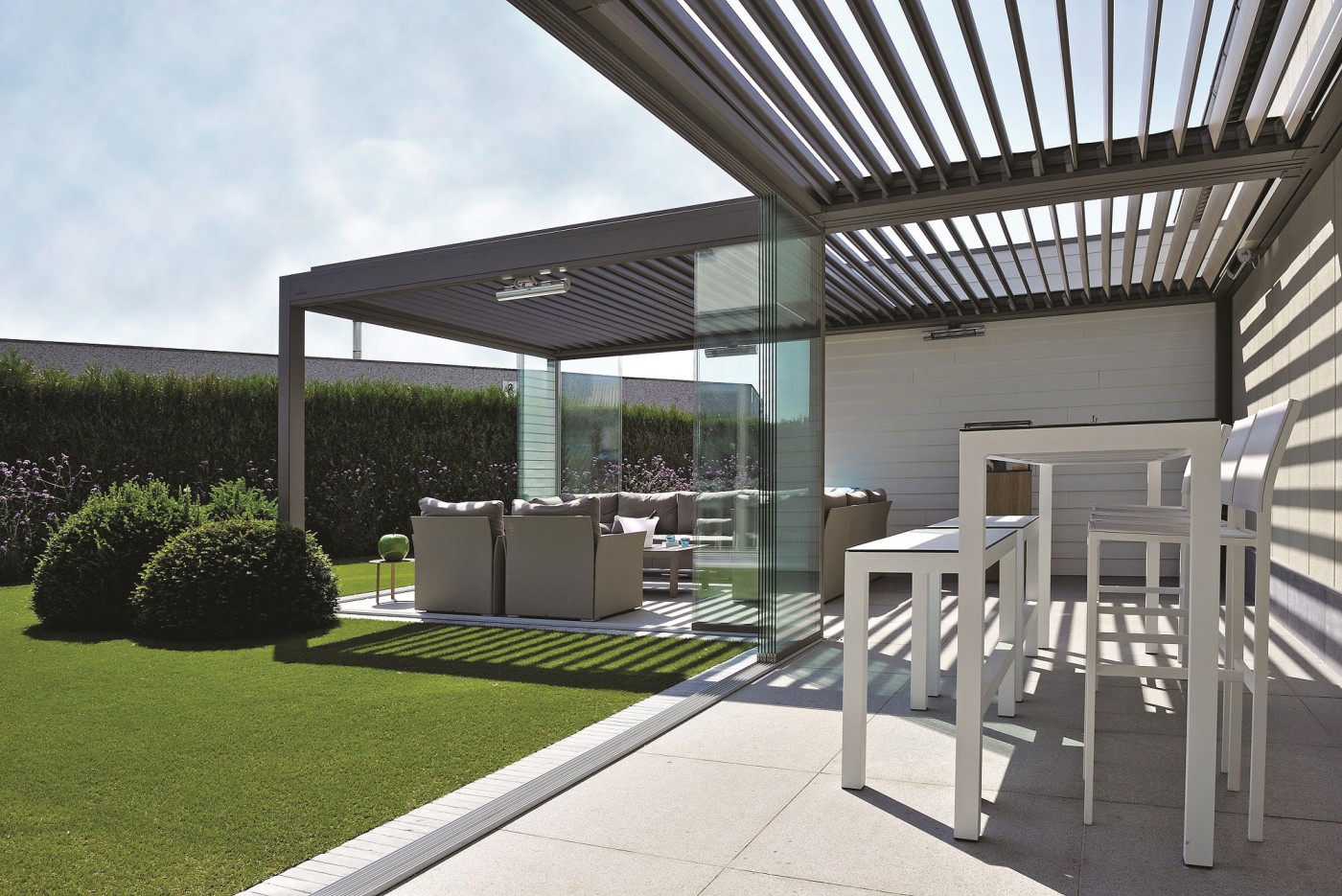
Louvred roof systems solve that problem by putting control in your hands. An adjustable louvre system lets you open or close the roof in degrees, dialing in exactly the right balance of shade, ventilation, and natural light for the moment. Fully closed, it performs like a fixed roof. Partially or fully open, it breathes. For garden pergolas in Dubai, where outdoor enjoyment is genuinely weather-dependent, a louvred system offers a level of versatility that a fixed roof simply can’t match across different times of day and different seasons.


Motorization and Smart Control in Aluminum Pergolas in Dubai

Patio pergolas in Dubai are increasingly being specified with motorized operation, and once you’ve used one, it’s hard to go back to manual adjustment.

Motorized systems offer one-touch opening and closing, precise positioning of louvres to any angle between fully open and fully closed, and integration with wind and rain sensors that automatically close the louvres when conditions change. They also connect with smart home systems, bringing the pergola into the same ecosystem as the rest of the property.

For Dubai properties where technology integration is an expected standard rather than a luxury add-on, motorized pergola systems aren’t a premium upgrade, they’re just the practical choice.


How to Maintain Aluminum Pergolas in Dubai

The primary requirements are: periodic cleaning of the frame and panels with mild detergent, annual inspection and lubrication of motorized components, clearing drainage channels if the structure incorporates rain management, and checking any integrated electrical elements.

That’s it. Weather-resistant pergolas built from aluminum don’t need painting, staining, sealing, or any of the time-consuming periodic treatments that wood structures demand.

For anyone who has owned a timber deck or wooden shade structure in Dubai, the contrast is stark.

The low maintenance burden is one of the most compelling practical arguments for aluminum in this climate.


How Shade Pulse Approaches Aluminum Pergola Installation in Dubai

Shade Pulse designs and installs aluminum pergolas in Dubai for residential, hospitality, and commercial outdoor spaces. Our process runs from initial site assessment and design specification through to installation and aftercare, so there’s no handoff gap where things get lost between design intent and finished result.

Our custom pergola designs are specified for Dubai’s actual climate conditions, with motorization, integrated lighting, and screen options that turn a shade structure into an outdoor living space you’ll use rather than just own.

If you’re planning an outdoor area and want to understand what’s genuinely achievable in your specific space, get in touch with our team.


FAQs

Do I need planning permission to install a pergola in Dubai?

The need for permission to install a pergola in Dubai depends on the property type, the emirate, and the specifics of the installation. For villas in freehold communities, external structures are typically governed by community guidelines. Apartments usually require building management approval. Commercial and hospitality properties may require municipal sign-off. A good pergola supplier will be familiar with the requirements for your situation and can walk you through the process.

How does a louvred pergola handle rainfall in Dubai?

When the louvres are closed, a quality louvred pergola manages rainfall through an integrated drainage channel built into the frame. Water is directed to downpipes rather than dripping into the covered space. On motorized systems, wind and rain sensors can automatically close the louvres the moment rain is detected, so you don’t need to be watching the sky.

What is the typical installation timeline for a custom aluminum pergola in Dubai?

From first consultation to completed installation, a custom aluminum pergola in Dubai typically takes four to eight weeks, depending on design complexity, lead times for custom components, and any site preparation required. Simpler configurations can move faster. Your supplier should be able to give you a clear timeline at the quotation stage.

Zip Screens for Restaurants & Cafes: Enhancing Outdoor Dining Experiences

Weather resistant zip blinds UAE

Outdoor seating is some of the most valuable real estate a restaurant or cafe can have. Guests want it. They choose venues partly based on whether outdoor dining is available and how comfortable it is. But in the UAE, outdoor seating has a short natural window. The heat, the wind, the dust, and the occasional sandstorm conspire to make outdoor dining uncomfortable for months at a time. Zip screens for restaurants and cafes are changing that equation.

Zip screens give restaurant and café owners the ability to extend outdoor seating into more months of the year, control the environment inside the screened area, and create a defined, comfortable space that guests actively enjoy rather than just tolerate.

In this guide, we will cover:

  • What zip screens are and how they work
  • The specific benefits for F&B operators in the UAE
  • How zip screens compare to other outdoor dining shade solutions
  • What to consider when specifying a system for your venue
  • How ShadePulse supports hospitality operators across the UAE


What Are Zip Screens and How Do They Work?

A zip screen is a retractable screen system where the fabric is held in channel guides on both sides, like a zip running vertically. This guided edge system prevents the screen from billowing inward or flapping in the wind, which is the key problem with free-hanging curtains or simple drop-down screens.

When closed, a zip screen creates a taut, sealed barrier that blocks wind, reduces direct sunlight and heat, and significantly improves the thermal comfort of the space behind it.

Zip screen blinds can be operated manually with a strap or crank, or motorized for ease of use. In commercial hospitality environments, motorized operation is usually the practical choice. Staff can adjust multiple screens quickly at the start and end of service or in response to changing conditions.

The fabric options include transparent or semi-transparent mesh that maintains views and lets in light while blocking wind and reducing solar heat gain, or solid fabrics for maximum privacy and heat reduction.


Why UAE Restaurants and Cafes Need Zip Screens

In most temperate climates, outdoor dining is limited by rain and cold. In the UAE, the challenges are different.

Heat: Summer temperatures regularly exceed 40°C. Direct solar heat gain and radiated heat from surrounding surfaces make outdoor seating genuinely dangerous during peak summer months. Zip screens combined with overhead shading can reduce the perceived temperature inside a screened area by several degrees, making spaces usable for more of the year.

Wind and dust: The UAE experiences regular episodes of strong, dust-laden wind. Wind makes outdoor dining uncomfortable in ways that go beyond discomfort. Menus blow off tables. Drinks get contaminated. Food presentation suffers. A zip screen system on the windward side of an outdoor terrace addresses all of this simultaneously.

Privacy and ambiance: A properly designed zip screen system creates a defined, enclosed feel to an outdoor space without making it feel like an indoor room. Guests feel sheltered without feeling boxed in, particularly when semi-transparent mesh fabrics are used.

Noise reduction: In busy urban or street-facing locations, zip screens provide a meaningful degree of noise reduction from traffic and street activity. This improves the dining atmosphere considerably.


The Revenue Case for Zip Screens

This is the argument that tends to land with operators more than any other. An outdoor terrace that is usable for ten months of the year generates significantly more revenue than one that is comfortable for four. Zip screens that allow you to use your outdoor seating in shoulder seasons, evenings, and periods of moderate wind represent additional covers that require no additional rent or floor space.

They also allow operators to keep outdoor seating open when conditions deteriorate during a service, rather than moving guests inside and losing cover numbers.

In the UAE hospitality market, where margins are tight and competition for guests is constant, any investment that extends usable outdoor seating time and improves the guest experience has a clear return.


Zip Screens vs. Other Outdoor Dining Shade Solutions

Zip screens vs. fixed glass enclosures

Glass enclosures offer excellent wind and dust protection, but they create a fully enclosed indoor-feeling space. They require more structural support, are significantly more expensive, and cannot be opened to create a genuine outdoor feel when conditions are good. Zip screens offer flexibility that glass does not.

Zip screens vs. retractable awnings

Awnings provide overhead shade but no lateral wind or dust protection. They are also more vulnerable to wind damage because they cannot be tensioned into guides. For comprehensive environmental control, zip screens complement awnings but do not serve the same function alone.

Zip screens vs. café curtains or drape systems

Free-hanging fabric systems flap in the wind, do not create a proper seal, and are generally not suitable for commercial use in the UAE climate. Zip screens, with their tensioned guide system, behave completely differently and maintain their shape and seal under the wind conditions that typically affect UAE outdoor dining spaces.


What to Consider When Specifying Zip Screens for Your Venue

Coverage area and orientation

Identify which sides of your terrace need screening. The windward sides usually need the most attention. Overhead coverage through existing umbrellas or a pergola combined with zip screens on the sides creates the most controlled environment.

Fabric choice

Semi-transparent mesh is the most popular choice for UAE restaurants and cafes. It allows guests to maintain a visual connection to the outside, keeps the space feeling open, and still blocks wind effectively. It also allows natural light in, which is important during daytime service.

Solid fabrics give maximum privacy and heat reduction but create a more enclosed atmosphere.

Motorization

For commercial venues with multiple screens, motorized operation is nearly always the right choice. Staff can adjust all screens quickly, and systems can be integrated with timers or sensors to automate operation based on time of day or wind speed.

Branding integration

Zip screens can be produced in custom colors and, in some configurations, with printed branding elements. This is worth exploring at the specification stage if brand consistency across your outdoor space matters to your concept.

Structural integration

Zip screen systems need to be anchored to suitable structural elements, whether that is the building facade, a pergola frame, or purpose-built posts. The installation must be able to handle the tension loads and wind forces that the screens will experience. A proper structural assessment is part of the installation process for any reputable supplier.


Restaurant Terrace Screening in the UAE: Seasonal Planning

Many UAE operators think about zip screens for restaurants and cafes in the context of their hottest months. But the value extends through the year.

In the cooler months from October to April, UAE evenings can drop to temperatures that feel cool with any wind chill. Zip screens on one or two sides of a terrace make evening outdoor dining comfortable even when the temperature drops.

During the peak summer months, zip screens in conjunction with misting systems and overhead shade can make previously unusable outdoor spaces workable for lunch service in air-conditioned comfort.

Year-round thinking, rather than reactive problem-solving, gives operators the most from their outdoor space investment.


How ShadePulse Works with UAE Hospitality Operators

ShadePulse supplies and installs zip screens in the UAE for restaurants, cafes, hotels, and commercial properties. Their team works with operators from site assessment through to installation, including fabric selection, structural requirements, and motorization options.

For venues that want to make the most of their outdoor seating and protect that revenue stream year-round, a zip screen consultation is a practical starting point.

Visit rmsdemo.com/projects/shadepulse/web/ to discuss your venue's requirements and see what is possible for your outdoor space.


Frequently Asked Questions

Q: How long does a zip screen installation typically take for a restaurant terrace?

For a standard terrace with three to six panels, the actual installation is usually done within a day or two once the screens have been made. Fabrication, from site measure to delivery, typically runs two to four weeks depending on the supplier and how complex the job is. If you’re working around a renovation or a new opening, building that lead time into your schedule early saves a lot of last-minute stress. Most installations can also be timed around your quieter periods to keep disruption to a minimum.

Q: Can zip screens handle the strong winds that occur during UAE dust storms?

Yes, but only quality commercial zip screens are engineered to handle significant wind loads, and the guided edge system keeps the fabric taut and controlled rather than allowing it to flap. However, no retractable screen system is designed for extreme storm conditions. Most commercial systems should be retracted when sustained winds exceed the manufacturer’s specified wind speed rating. Motorized systems with integrated wind sensors can automate this retraction, which is a useful feature for venues where staff may not always be monitoring conditions actively.

Q: Are there zip screen options that provide both shade and insect protection for outdoor dining?

Yes. Some zip screen mesh fabrics are available in finer weaves that provide a meaningful degree of insect exclusion while still allowing air circulation and maintaining visibility. This is particularly useful for venues near waterways or greenery where insects are a concern during evening service. Specify this requirement at the quotation stage as not all standard mesh fabrics provide adequate insect protection without a reduction in airflow that may not suit your space.

The Evolution of Outdoor Umbrellas: From Basic Shade to Smart Solutions

Custom outdoor umbrellas UAE

Not long ago, an outdoor umbrella was a simple thing. A pole, a fabric canopy, and a base that you hoped was heavy enough to stop the whole thing blowing away. It did the job on a still afternoon. It failed dramatically in a breeze. And in the UAE, where the sun is relentless and the wind can come from nowhere, a basic umbrella was always a temporary solution at best. Outdoor umbrellas in Dubai have come a long way from that starting point. What is available today in the UAE market goes far beyond shade.

Modern commercial outdoor umbrellas are engineered structures with smart controls, weather resistance built for the Gulf climate, and designs that make outdoor spaces look genuinely good.

In this guide, we will cover:

  • How outdoor umbrellas have evolved over the decades
  • What makes a modern shade solution different from a basic umbrella
  • The main types of outdoor umbrella designs available today
  • What smart features actually mean in practice
  • How to choose the right system for your outdoor space


Where It All Started: Basic Shade Solutions

The first outdoor umbrellas used commercially were simple centre pole designs with manual crank mechanisms. They were affordable, easy to mass produce, and adequate for mild climates with predictable weather.

In the UAE, these early solutions lasted about as long as the first serious dust storm or summer afternoon. Fabrics faded within a season. Frames bent under wind load. Mechanisms corroded in the humid coastal air. The frustration was real, and so was the cost of replacing them every year or two.

The demand for something better pushed manufacturers to rethink almost everything about how outdoor umbrellas were designed.


The Shift Toward Engineering and Durability of Outdoor Umbrellas

The first real evolution was structural. Manufacturers began using aluminium alloy frames instead of steel, which solved the corrosion problem while keeping the weight manageable. Ribs became more numerous and better braced, improving wind resistance significantly.

At the same time, fabric technology improved. Solution-dyed acrylic fabrics became the standard for quality outdoor umbrellas. Unlike surface-dyed fabrics, solution-dyed fibres have colour throughout the yarn, which makes them far more resistant to fading under UV exposure. In the UAE’s sun intensity, this matters enormously. A quality solution-dyed fabric holds its colour for years rather than fading within one summer.

Weather-resistant umbrellas designed for commercial hospitality environments began appearing with wind ratings, something the market had never demanded before. Suddenly, umbrellas could be specified by their tested wind resistance rather than just their appearance.


Centre Pole vs Cantilever Outdoor Umbrellas: Two Different Design Philosophies

As the category evolved, two main structural approaches for outdoor umbrellas developed, each suited to different environments.

Centre pole umbrellas

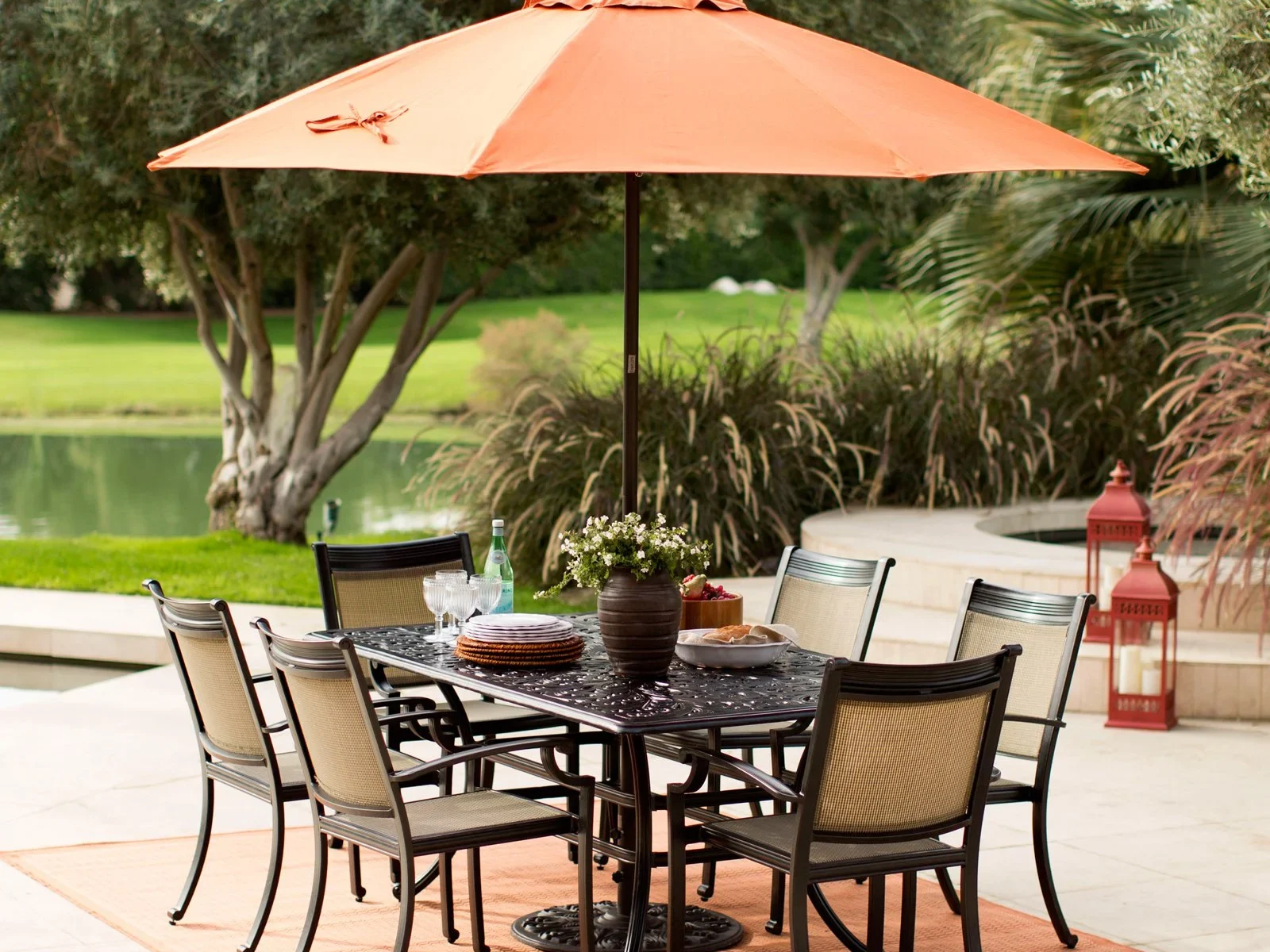
The center pole design keeps the support column at the center of the canopy. This is structurally straightforward and allows for very large canopy sizes. Commercial center pole umbrellas in the UAE now range from 3 meters to well over 6 meters in diameter, with automatic tilt mechanisms, LED lighting systems, and motorized open/close controls built in.

The trade-off is that the central pole limits how you arrange furniture underneath. Tables and seating need to work around the column.

Cantilever umbrellas

Cantilever designs move the support structure to the side, leaving the area under the canopy completely free. The arm extends from a base or wall-mounted post and supports the canopy from the outside.

This gives hospitality venues and homeowners complete flexibility in furniture arrangement. It also looks cleaner and more contemporary than a center pole design.

The structural engineering required to handle the leverage loads in a cantilever design is significant. A quality commercial cantilever umbrella in the UAE uses heavy-gauge aluminum or steel profiles and a counterweighted or anchored base designed to handle the forces involved. Cheap cantilever umbrellas fail at these points. Good ones handle Gulf wind conditions reliably.


Custom Outdoor Umbrellas: Branding and Design Integration

One of the most significant developments in the commercial sector has been the move toward fully customized umbrella systems.

Custom outdoor umbrellas allow hospitality operators to specify exact canopy colors, print branding directly onto the fabric, choose frame finishes that match their overall design scheme, and integrate lighting and heating into the structure.

For a hotel pool deck or a restaurant terrace in Dubai, a custom umbrella system is not just shade. It is part of the brand experience. Guests notice when the details are cohesive and when they are not.

This level of customization has driven the development of specialist manufacturers and suppliers who work directly with designers and operators rather than simply selling off-the-shelf products.


Smart Outdoor Umbrellas: What the Technology Actually Does

The term “smart” gets used loosely in outdoor furnishing, so it is worth being specific about what smart features in modern outdoor umbrellas in Dubai actually provide.

Motorized open and close systems

Rather than a manual crank, motorized umbrellas open and close at the touch of a button. For large commercial canopies, this is not a luxury. Manually operating a 5-metre umbrella twice a day involves real physical effort and risks inconsistent deployment that can stress the frame.

Wind sensors and auto-close functions

Some systems come with wind speed sensors that automatically retract the umbrella when conditions get too strong. On the UAE coast where the wind can pick up with very little warning, that’s a genuine safety feature, not just for the umbrella, but for the people sitting under it.

Integrated LED lighting

Built-in LED lighting tucked into the canopy ribs or valance means your outdoor space stays usable well into the evening. For F&B venues especially, those evening covers matter, and the quality of ambient lighting has a direct effect on how the dining experience feels.

Remote and app control

More and more commercial umbrella systems can integrate with building management systems or connect to a dedicated app, letting operators control multiple umbrellas across an entire venue from one place. If you’re running a large terrace or poolside area, that kind of centralized control saves a lot of time.


Patio Shade Solutions in the UAE: Matching the System to the Space

Choosing the right outdoor shade system requires understanding the specific demands of your space.

For a private terrace or pool area at a UAE villa, a residential-grade cantilever umbrella with a quality fabric and manual or semi-motorized operation covers most needs. Size it to the seating area and anchor it properly.

For restaurant umbrellas in Dubai, the demands are higher. Commercial-grade frames with tested wind ratings, easy-clean solution-dyed fabrics, integrated lighting, and ideally motorized operation give operators a system that works reliably service after service, year after year.

For hotel pool decks, large-format center pole umbrellas or integrated shade structure systems are more appropriate. These spaces need to manage large numbers of guests across a wide area, and individual cantilever units are not practical at that scale.


How ShadePulse Approaches Outdoor Shading in the UAE

ShadePulse works with homeowners, hospitality venues, and commercial operators across the UAE to specify and supply outdoor shade systems that are built for this climate and these operational demands.

Our range of outdoor umbrellas includes commercial and residential cantilever and centre pole umbrellas, luxury shade solutions with custom fabric and branding options, and systems with integrated lighting and smart control options.

Whether you are equipping a restaurant terrace, a hotel pool deck, or a private outdoor living space, getting the specification right from the start is far more cost-effective than replacing an undersized or unsuitable system a year later.

Visit rmsdemo.com/projects/shadepulse/web/ to explore options and discuss your project requirements.


Frequently Asked Questions

Q: How do I maintain an outdoor umbrella to maximize its lifespan in the UAE climate?

Clean the fabric regularly to stop dust and salt from breaking down the fibers, inspect all joints and tensioning systems each season, and lubricate moving parts, the pole mechanism and rib joints, once a year. When sandstorm alerts go out, close and secure your umbrella even if it has wind sensors, since particulate-heavy wind is a different beast from a clean high-speed gust. If you’re storing a non-commercial umbrella during the off-season, proper storage makes a real difference to how long the fabric lasts.


Q: What is the difference between residential-grade and commercial-grade outdoor umbrellas?

Commercial-grade umbrellas are built with heavier frame profiles, higher-quality fabric rated for stronger UV and fade resistance, and are tested to specific wind speeds, and residential ones are lighter, more affordable, and perfectly fine for occasional private use. The problem comes when a residential umbrella gets deployed daily in a commercial setting; in the UAE climate, that typically means it fails within a season or two.


Q: Can outdoor umbrellas be anchored permanently in the UAE without damaging paved surfaces?

Yes, there are several systems that let you install an umbrella permanently or semi-permanently without breaking up your paving, including surface-mounted flanged plates bolted to the substrate, in-ground sleeves laid during the original paving, and removable sleeve systems that lock the base in securely when needed. The right choice depends on your paving type and what’s underneath it, so get in touch and we’ll help you figure out the best fit for your specific surface.

Securing Your Outdoor Umbrella: Tips for Wind Protection

Restaurant outdoor umbrellas UAE

You set up your patio, arrange the chairs, open the umbrella, and then the wind picks up. Suddenly, your beautiful setup becomes a safety hazard. A tipping umbrella can damage furniture, injure someone, or end up three gardens away. If you manage a café terrace, a resort pool deck, or your own backyard, you know this stress well. An outdoor umbrella that is not properly secured is not just inconvenient. It is a real risk. The good news is that securing your outdoor umbrella against wind is not complicated.


Why Wind Puts Your Outdoor Umbrella at Risk

An open umbrella acts like a sail. The larger the canopy, the more surface area wind has to push against.

Even a moderate gust can tip an umbrella that is not properly weighted or anchored. In places like the UAE, where hot dry winds and sudden gusts are part of daily life, this is not a rare problem. It happens regularly and without much warning.

The risks go beyond inconvenience. A falling umbrella can hit a person, damage outdoor furniture, or crack a tile surface. For businesses, it can also create liability issues.

Understanding what makes an umbrella vulnerable is the first step toward fixing the problem.


Umbrella Base Stability: The Foundation of Everything

The base is the most important part of your wind protection setup. Without a solid, heavy base, nothing else matters.

Here is what you need to know about umbrella base stability:

Weight matters a lot. For a standard 9-foot patio umbrella, most experts recommend a base that weighs at least 50 pounds. For larger commercial umbrellas, you need even more weight. A light base simply will not hold under pressure.

Fillable bases work well. Bases that you fill with sand or water are popular because they are easy to move when empty but heavy enough when full. Always fill them completely and check them regularly as water can evaporate in hot climates.

Ground-mounted bases offer the best stability. If you have a permanent outdoor space, consider a base that anchors directly into the ground or a concrete surface. These give you the most reliable hold in windy conditions.

Match the base to the umbrella size. A small base under a large umbrella is asking for trouble. Always check the manufacturer’s recommended base weight for your specific umbrella size.

Shade Pulse designs outdoor umbrellas with proper base compatibility in mind, because they understand that a beautiful umbrella is only useful when it stays standing.


Outdoor Umbrella Positioning: Work Smarter, Not Harder

Where you place your umbrella changes how much wind force it actually faces.

Place it near a windbreak when possible. A wall, fence, hedge, or building on the windward side can significantly reduce the force of wind hitting your umbrella. You do not need complete shelter. Even partial protection helps.

Avoid open corners and raised platforms. Wind speeds up around corners of buildings and on elevated surfaces like rooftop terraces or raised decks. These spots are higher risk and need extra-heavy bases or ground anchoring.

Tilt the canopy slightly into the wind. Many patio umbrellas have a tilt function. Angling the canopy into the wind, rather than letting it sit flat, reduces the surface area the wind can push against. This small adjustment makes a real difference.

Do not position umbrellas in isolation. A single umbrella standing alone in an open space faces wind from every direction. Where possible, you can cluster seating areas and use multiple umbrellas together because grouped setups handle wind better than solo installations.


What to Look for in Wind Resistant Patio Umbrellas

Not all umbrellas handle wind equally. If you live somewhere with regular wind, or you manage a commercial outdoor space, you need to choose your umbrella carefully.

Here is what separates wind resistant patio umbrellas from standard ones:

Vented canopies. A vent at the top of the canopy lets wind pass through instead of building up pressure underneath. This single feature dramatically reduces the chance of tipping. If you are buying an umbrella for a windy location, a vented canopy is non-negotiable.

Strong pole materials. Look for aluminum or fiberglass poles rather than cheap hollow metal. These materials flex slightly under pressure instead of snapping. A rigid pole that cannot flex will break. A well-engineered pole bends and recovers.

Reinforced ribs. The ribs hold the canopy open. In cheaper umbrellas, ribs bend and break when wind catches the canopy. Look for thicker, reinforced ribs made from fiberglass or heavy-gauge aluminum.

Quality fabric. Canopy fabric should resist water, UV rays, and wind pressure. Solution-dyed acrylic fabric is a strong choice. Avoid lightweight polyester for anything exposed to real weather.

Shade Pulse builds heavy duty patio umbrellas specifically for demanding outdoor environments. Their designs include features like vented canopies and engineered pole systems because they build for the UAE climate where heat, sun, and wind all work against standard outdoor furniture.


Outdoor Umbrella Safety Tips You Should Use Every Day

Good habits keep your umbrella safe over the long term. These outdoor umbrella safety tips take seconds to follow and save you from costly damage.

Close your umbrella when you are not using it. This is the single most important habit. A closed umbrella has almost no wind resistance. An open one left unattended is one gust away from becoming a problem.

Close it before a storm. Watch the forecast and act early. Do not wait until the wind is already strong. By then it may be too late to close the umbrella safely.

Check the base weight before each season. If you use a fillable base, check that it is still full. Water evaporates and sand can shift. A base that was heavy enough last summer may not be adequate now.

Inspect your umbrella regularly. Look at the ribs, the pole joint, and the canopy fabric. Small cracks or bent ribs are warning signs that your umbrella may not hold up under wind pressure.

Secure the canopy when closed. Use the Velcro strap or tie that came with your umbrella to keep the canopy wrapped tight when it is closed. A loose canopy can catch wind even when the umbrella is down.


When to Open and When to Close Outdoor Umbrellas

Close your outdoor umbrella when:

  • Wind speeds reach 20 mph or higher
  • You are leaving the area unattended
  • A storm is forecast within the next few hours
  • You are done for the day

Open your outdoor umbrella when:

  • Wind is calm or light
  • Someone is present to monitor conditions
  • The base is properly weighted and secure
  • The umbrella has been recently inspected


How Shade Pulse Approaches Wind-Ready Outdoor Umbrella Design

We understand that outdoor spaces in this region face specific challenges. The heat is intense, the sun is harsh, and the wind can change quickly.

Our outdoor umbrellas are built with those conditions in mind. From vented canopy designs to heavy-duty structural materials, Shade Pulse focuses on performance, not just appearance.

If you are looking for outdoor umbrellas especially for commercial spaces, hospitality venues, or any setup where safety and durability matter, connect with Shade Pulse.

Weather Sensors and Awnings: Automated Protection Against Sun and Wind

Commercial outdoor umbrellas Dubai

You step outside to enjoy your terrace. The sun is too strong. You extend the awning manually. An hour later, the wind picks up while you are inside. The awning is still out. That is the moment most people wish their awning could just think for itself. An automated awning system with weather sensors does exactly that.


What Weather Sensors Actually Do

A weather sensor monitors outdoor conditions in real time and measures sunlight intensity, wind speed, and sometimes rain.

When the sensor detects a trigger, it sends a signal to the awning motor. The motor then extends or retracts the awning automatically based on the settings you choose.

You set the thresholds once. After that, the system handles it.

This means your awning responds to actual conditions, not a schedule or a guess. If a cloud rolls in and cuts the sun, the awning retracts. If the wind picks up past a safe level, it pulls back in. When conditions calm down, it extends again.

It sounds simple because it is. But the impact on daily life, and on the lifespan of your awning, is significant.


Sun Sensor Awnings: Shade When You Actually Need It

A sun sensor measures the intensity of sunlight hitting your outdoor space. You set a brightness threshold, and when sunlight reaches that level, the awning extends automatically.

Why this matters for homeowners

Direct sun through a window or onto a terrace can raise indoor temperatures noticeably. A sun sensor awning responds the moment sunlight gets strong enough to cause discomfort. You do not have to remember to extend it. The system handles it while you are busy doing something else.

Why this matters for hospitality and restaurant businesses

Guests sitting on your terrace should not have to squint or ask for the awning to be adjusted. Sun sensor awnings keep your outdoor seating comfortable without any staff having to monitor the weather all day. That is one less thing your team needs to think about during a busy service.

How the sun sensor works

Most sun sensors use a photovoltaic cell or light-dependent resistor to measure lux levels, which is a unit of light intensity. When the lux reading crosses your preset threshold, the controller triggers the motor. When light drops below that level, the awning retracts on its own.

You can usually adjust sensitivity settings to suit your location and how much shade you prefer. A south-facing terrace in the UAE needs different settings than a north-facing balcony in a cooler climate.


Wind Sensor Awnings: Protection You Cannot Afford to Skip

A wind sensor measures wind speed. When gusts reach a level that could damage your awning, the sensor triggers an automatic retraction.

This is not optional. It is essential.

Awnings are vulnerable to wind damage

An extended awning catches wind like a sail. Sudden gusts can bend the arms, tear the fabric, or strain the motor. Repair and replacement costs add up fast, especially for commercial installations.

Most wind damage happens when no one is watching. You are inside. The awning is out. A gust comes through and causes damage before anyone can react.

Wind sensor awnings remove that risk entirely.

How wind sensors work

Wind sensors typically use a spinning anemometer or a vibration-based detector to measure wind speed. When speed crosses a preset threshold, usually somewhere between 25 and 38 kilometres per hour depending on your awning model and location, the controller retracts the awning automatically.

Some systems also include a delay setting. This prevents the awning from extending again immediately after a brief gust, giving conditions time to fully settle before it deploys again.

Getting the threshold right

Set your wind threshold too low and the awning retracts constantly, even in light breezes. Set it too high and you risk wind damage before the sensor triggers. Your installer should help you find the right setting for your specific awning, your fabric weight, and your location.

In the UAE, where strong seasonal winds are common, a properly calibrated wind sensor is one of the most important parts of your outdoor setup.


Automated Awning System: More Than Just Motors

A basic motorized awning lets you press a button. An automated awning system goes further. It combines sensors, a smart controller, and a motor into a system that responds to the environment on its own.

Here is what a complete system typically includes:

The sensor unit. This monitors conditions outdoors. Quality matters here. A cheap sensor can give inconsistent readings, which leads to the awning behaving erratically.

The controller. This is the brain of the system. It receives signals from the sensor and tells the motor what to do. Better controllers allow for more customization, multiple sensor inputs, and integration with home or building automation systems.

The motor. This drives the awning in and out. A reliable tubular motor with the right torque for your awning size is essential. An underpowered motor wears out faster, especially if it has to fight wind resistance during retraction.

The awning itself. The fabric, the arms, and the housing all need to be built for your climate. In a hot, sunny, and sometimes windy environment like the UAE, material quality directly affects how long your system lasts.

Shade Pulse builds automated awning systems with all of these components working together. They design for the specific demands of the region, not just for general use.


Final Thoughts: Let Your Automated Awning System Do the Work

You bought an awning to make your outdoor space more comfortable and more useful. A system that relies on you to monitor the weather and manually adjust it every few hours is not really delivering on that promise.

An automated awning system with weather sensors gives you the full benefit of your investment. The sun comes out, the shade deploys. The wind picks up, the awning pulls back. You stay comfortable and your awning stays protected.

It is the kind of setup that quietly does its job every single day, and you only notice it because things just work.

Extending Your Living Space: How Pergolas Bridge Indoors and Outdoors

Garden aluminum pergola Dubai

Most homes have empty yards that nobody uses. The space just sits there, too hot or too exposed to enjoy. Pergolas change this by turning outdoor areas into comfortable rooms you’ll actually want to use.

Creating Outdoor Rooms With Pergolas

A pergola acts like a ceiling for your outdoor space. It marks off a specific area without putting up walls that block breezes or views. You get protection from the sun while still feeling connected to nature.

Look at your patio or garden right now. Does it feel too exposed? Too hot to sit outside during the day? A pergola fixes both problems at once.

The structure gives shape to space. It transforms a plain yard into something that feels like an actual room. You can add furniture, lights, and decorations just like you would inside your home.

Blending Indoor Comfort with Outdoor Space

The best pergolas connect directly to your home. This creates a smooth path from your living room to your outdoor area. No awkward gaps or sudden changes in temperature.

Modern pergolas now include smart features that make outdoor living even better. Automatic roof systems have louvers that open and close based on weather conditions. You control them from your phone, just like adjusting your indoor lights.

Flexible Spaces That Adapt to Pergolas

UAE weather shifts dramatically from morning to evening. Cool mornings turn into hot afternoons. Your outdoor space needs to adapt to these changes.

Retractable pergolas give you complete control over shade levels. Open the louvers during pleasant morning hours to enjoy the sunshine. Close them when the afternoon heat becomes intense.

This flexibility means you can use your outdoor area at any time of day. You’re not forced to rush inside when conditions change. The space stays comfortable through all weather shifts.

Bioclimatic pergolas take flexibility even further. These intelligent systems monitor weather conditions constantly. When the rain starts, they automatically close to protect your furniture and keep the area dry.

Pergolas Adding Value and Lifestyle

Installing a pergola does more than improve your backyard. It changes how your whole family uses your home. Kids discover new play spaces. Adults find quiet spots to relax with a book.

Indoor rooms feel less cramped when you have comfortable outdoor options. The extra usable space happens without expensive construction or adding actual rooms to your house.

Buyers actively look for homes with quality outdoor living areas. A well-maintained pergola makes your property stand out in the market. It shows that you’ve invested in creating a complete living experience.

Choosing Your Perfect Pergola

Aluminum pergolas handle UAE conditions better than other materials. They don’t rust despite the humidity near the coast. Heat doesn’t warp or damage them even during the hottest months.

Powder-coated finishes protect the aluminum while keeping colors bright and fresh. The sun won’t fade them as it does with painted wood or cheaper materials.

Size needs careful planning. Your pergola should balance with your home and yard size. Too small looks out of place. Too large overwhelms everything around it.

Making It Happen

A pergola transforms wasted outdoor space into your family’s favorite hangout spot. It bridges the gap between indoor comfort and outdoor freedom. This connection improves daily life while adding serious value to your property.

Understanding Awning Pitch and Projection: Getting the Perfect Angle

Awnings in Dubai

Most people choose an awning based on colour or style. That is completely understandable. But the two factors that actually determine how well an awning performs are pitch and projection, and getting these right makes all the difference.

In the UAE, where summers are intense and the sun can beat down for months, awning pitch affects how much shade you get, how water drains, and how long the structure holds up. This guide explains both concepts clearly so you can make a confident, informed decision.

What Is Awning Pitch?

Awning pitch refers to the angle at which an awning slopes downward from the wall. When an awning is installed flat, it sits at zero degrees. When it tilts forward and downward, the angle increases. That angle is the pitch.

What Is Awning Projection?

Awning projection is how far the awning extends outward from the wall. Think of it as the depth of the shade it creates. A projection of 2 metres means the awning stretches 2 metres away from the building.

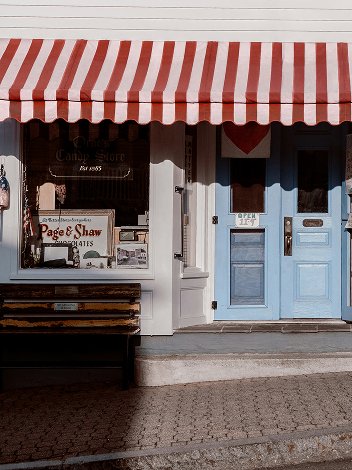
Projection directly controls how much area sits in shade. A deeper projection covers more ground, which is important for outdoor seating areas, cafes, or shopfronts in Dubai and Sharjah, where the afternoon sun comes in at a low angle and can reach far under an awning.

How Pitch and Projection Work Together

Pitch and projection are not separate decisions. They influence each other, and both affect the final result. A longer projection at a low pitch gives more ground coverage but may not protect against low-angle sun. A steeper pitch with a shorter projection blocks overhead sun better but covers less floor area.

Here is a practical example. A cafe in Ajman wants to shade an outdoor seating area. If the tables extend 3 metres from the wall, the projection needs to match at least that. But if the awning sits at a very flat angle, customers seated near the outer edge will still feel the sun on their faces during late afternoon.

Choosing the Right Pitch for UAE Conditions

For Sun Protection

A steeper awning pitch of 10 to 20 degrees works better for sun protection in the UAE. It blocks more of the sky and prevents the sun from shining beneath the fabric at lower sun angles in the morning and late afternoon. This is especially useful for west-facing shopfronts and outdoor seating areas.

For Rain Drainage

Even in the UAE, a flat awning creates problems when rain does fall. Water pools on the surface and puts stress on the fabric and frame. A minimum awning pitch of 5 degrees ensures water runs off the front edge rather than sitting on top. For areas in the UAE that experience heavier seasonal rain, 10 degrees or more provides reliable drainage.

For Wind Resistance

A lower pitch reduces the surface area that faces into the wind, which helps retractable awnings and fixed awnings hold up better in gusty conditions. In coastal areas of Dubai and Sharjah, where sea breezes are common, this is worth factoring in when selecting the pitch.

Getting the Right Advice for Your Awning in the UAE

Calculating the ideal pitch and projection for a specific location takes experience. The sun angle changes throughout the year, building heights affect shade gaps, and the intended use of the shaded area changes what numbers work best.

Umbrella Materials Explained: Fabric Types, Frames, and Finishes

outdoor umbrella stand

Buying an outdoor umbrella in the UAE is not just about picking a colour you like. The materials used in the fabric, the frame, and the finish determine whether the umbrella lasts one season or many years in this climate.

Understanding umbrella materials helps you make a smarter choice, one that gives you proper shade, handles the UAE heat and occasional wind, and still looks good season after season. This guide covers everything you need to know.

Why Umbrella Materials Matter So Much in the UAE

The UAE climate is tough on outdoor products. Temperatures regularly exceed 45°C in summer. UV radiation is intense for most of the year. Coastal areas in Dubai, Sharjah, and Ajman add salt air and humidity to the mix.

A cheaply made umbrella will fade, crack, and weaken within a year. A well-chosen one, built from the right materials, keeps performing for years with very little maintenance. The difference comes down to what the umbrella is actually made of.

Outdoor Umbrella Fabric Types

Solution-Dyed Acrylic Fabric

Solution-dyed acrylic fabric is widely considered the best choice for outdoor umbrellas in hot, sunny climates. The colour goes through the entire fibre during manufacturing, not just on the surface. This means the fabric does not fade quickly, even under intense UV exposure. It also resists mould and dries fast after rain.

Polyester Fabric

Polyester outdoor umbrella fabric is the most commonly used option. It is affordable, available in many colours, and reasonably durable for moderate use. However, high-grade UV-resistant polyester fabric with a proper coating performs much better and extends the life of the canopy significantly.

Olefin (Polypropylene) Fabric

Olefin fabric offers excellent resistance to moisture, staining, and mildew. It is lighter than acrylic and holds colour reasonably well outdoors. For poolside umbrellas or areas near the sea in coastal UAE cities, olefin is a practical and cost-effective fabric option that handles wet conditions well.

Canvas Fabric

Canvas outdoor umbrella fabric gives a classic, premium look. It blocks more light and heat than thinner synthetic fabrics. However, canvas can hold moisture and take longer to dry. In the UAE, waxed or treated canvas works well for shaded patio areas but is less suitable for full sun exposure without a proper waterproof finish.

Outdoor Umbrella Frame Materials

Aluminium Frames

Aluminium umbrella frames are the most popular choice for UAE outdoor use. Aluminium is lightweight, does not rust, and handles the heat well. It is easy to move, which matters for freestanding and cantilever umbrellas. Powder-coated aluminium frames resist scratches and

Stainless Steel Frames

Stainless steel umbrella frames are heavier and stronger than aluminium. They suit larger cantilever umbrellas and commercial installations where the umbrella must hold its position in coastal wind.

Fibreglass Frames and Ribs

Fibreglass umbrella ribs are flexible and bend under wind pressure instead of snapping. Many premium umbrellas use aluminium poles combined with fibreglass ribs for this reason. The ribs absorb wind stress without transferring it to the pole, which significantly extends the structural life of the umbrella in windier UAE locations.

Final Thoughts

For most homes and businesses across Dubai, Sharjah, and Ajman, the most practical combination is a solution-dyed acrylic or UV-treated polyester canopy paired with a powder-coated aluminium frame. This setup handles the heat, resists fading, needs minimal maintenance, and suits both residential patios and commercial outdoor spaces.