Shade Pulse logo
Coverage
Dubai, Abu Dhabi & All UAE
Work Time
Sat – Thu, 8.30 AM - 6.30 PM
Call Us Today

Why Aluminum Pergolas Are the Best Choice for Dubai’s Climate

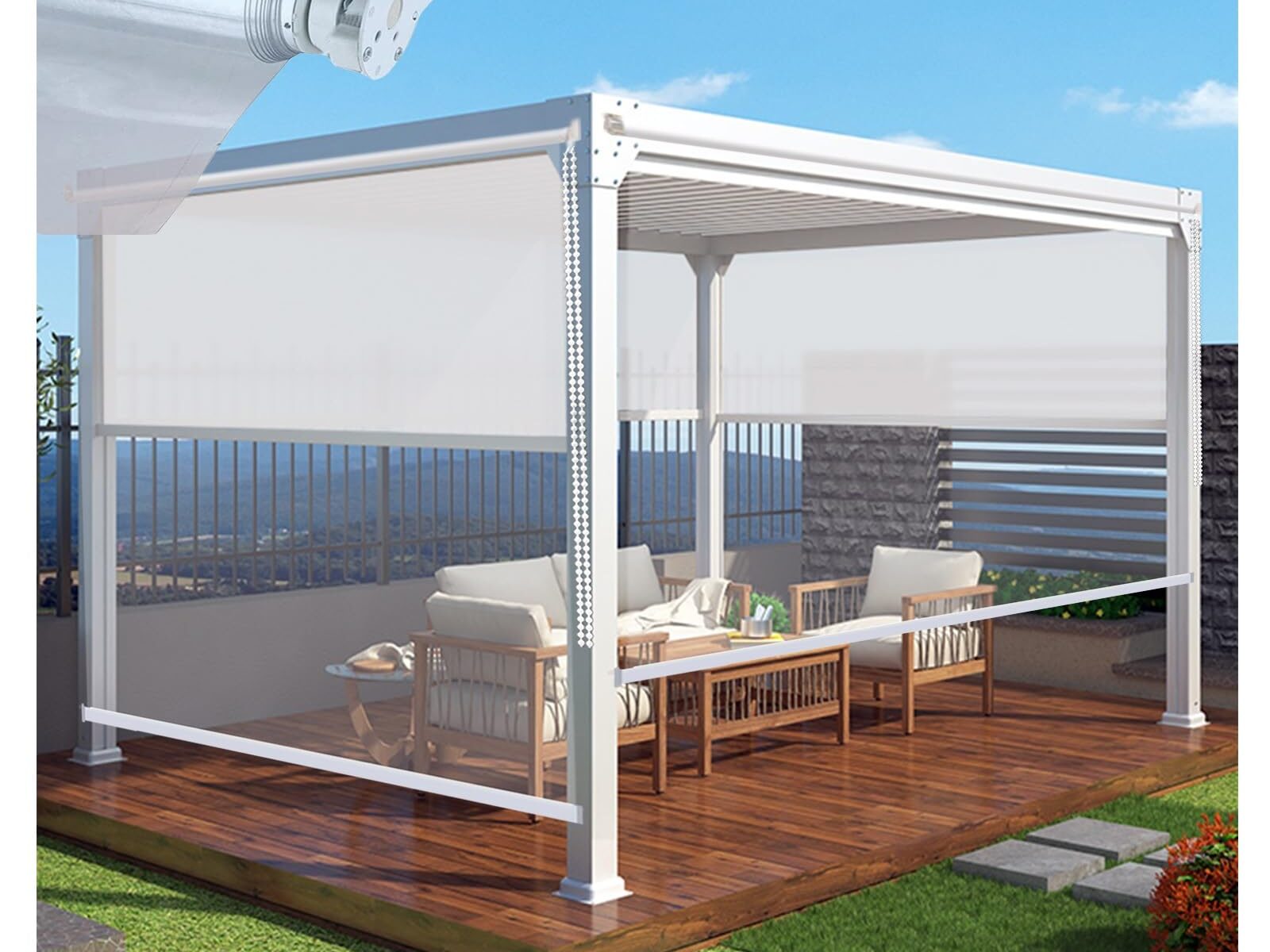
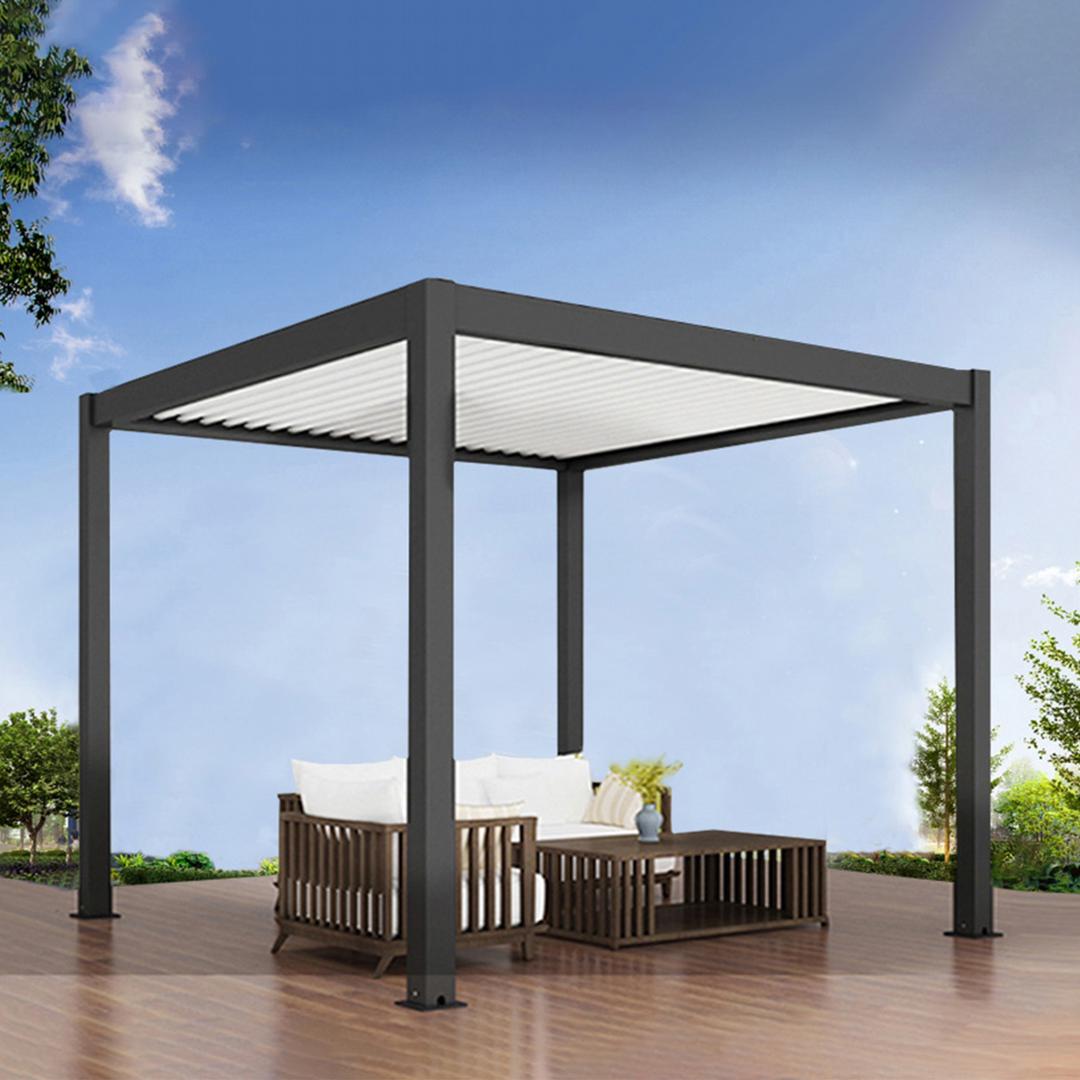
Aluminum pergola

Dubai’s summer heat tests every outdoor structure you own. Wood warps, fabric fades fast, and steel rusts quicker than most people expect. That’s exactly why aluminum pergolas that Dubai homeowners choose have become the go-to solution for anyone serious about long-term outdoor shading.

We build and install aluminum pergolas across villas, hotels, and commercial properties throughout the UAE. After years of watching other materials fail in this climate, we can tell you plainly why aluminum consistently outperforms wood, steel, and vinyl here.

How Dubai’s Climate Breaks Down Ordinary Pergola Materials

Wood absorbs moisture during humid months, then cracks and splits once the dry heat returns. Steel structures rust within a couple of years unless heavily treated, and even then, coastal humidity speeds up corrosion. Vinyl softens and warps once surface temperatures climb past 50 degrees Celsius during peak summer.

Aluminum handles all three stress points at once. It doesn’t absorb moisture, it resists corrosion naturally, and it holds its shape even under intense heat exposure. This is why architects and landscape designers across Dubai increasingly specify aluminum louvered pergola systems for both residential and commercial projects.

Powder-Coated Aluminum and Long-Term Corrosion Resistance

Every pergola we build starts with powder-coated aluminum framing. That powder coating acts as a protective layer against chipping, fading, and rust, even after years of constant UV exposure. Painted steel tends to peel or bubble eventually, but this coating holds up under Dubai’s sun in a way steel just doesn’t.

Coastal properties benefit even more from this corrosion resistance. Salt air speeds up rust on untreated metal, but powder-coated aluminum shrugs it off. We’ve installed pergolas on beachfront villas that still look freshly finished after years of direct sun and salt exposure, with zero structural issues.

Why Adjustable Louvers Outperform Fixed Roof Designs

Fixed-roof pergolas give you one setting: shade or no shade. Adjustable louvered pergolas let you control sunlight and airflow throughout the day. Close the louvers during peak afternoon heat, then open them in the evening to enjoy the breeze and starlight without moving indoors.

This flexibility matters enormously in a climate like Dubai’s. Morning sun angles differ completely from afternoon sun, and a louvered system adapts to both. We fit most of our motorized pergola installations in Dubai with weather sensors that automatically close the louvers if rain or strong wind hits unexpectedly.

Waterproofing and Protection During UAE’s Rainy Season

Dubai doesn’t get much rain, but when it does, drainage becomes critical fast. Our aluminum louvered pergolas include integrated gutter channels that direct rainwater away from your seating area and foundation. This waterproof pergola design keeps your outdoor furniture dry even during sudden downpours.

Poorly designed pergolas often leak at the joints or pool water on flat sections of the roof. We engineer every joint with weatherproof sealing, so water flows through the channel system instead of dripping onto your patio below. It’s a small detail that prevents major maintenance headaches later.

Low Maintenance Compared to Wood and Steel Structures

Wood pergolas need annual sanding, sealing, and repainting to survive Dubai’s climate. Steel requires regular rust inspections and touch-up coating. Aluminum needs almost none of that. A simple wash with soap and water a few times a year keeps it looking new.

This low maintenance advantage saves real money over the structure’s lifespan. Villa owners and hospitality businesses we work with often tell us the reduced upkeep cost alone justified switching to aluminum after dealing with a failing wood or steel structure for years beforehand.

Boosting Property Value with Modern Aluminum Design

A modern aluminum pergola isn’t just about shade. It changes how the whole outdoor space feels. Clean lines, slim profiles, and finishes you can customize give a property that contemporary, high-end look that wood structures usually just can’t pull off. Real estate agents bring this up a lot during property valuations too.

For hospitality businesses, that visual upgrade turns into something guests actually feel. We’ve worked with hotels and restaurants that turned pergola-covered terraces into their premium seating, charging more for outdoor tables that stay comfortable and look good all year round, not just when the weather cools down.

Get a Custom Aluminum Pergola Built for Your Property

No two properties get the same sun, wind, or amount of space to work with. That’s why we design each aluminum pergola around your actual site, not some template we reuse for everyone. Whether it’s a villa terrace or a hotel rooftop, our team takes care of the whole process, from measuring the space to the motorized installation itself.

Call us at +971501457763 or email info@shadepulse.ae to set up a free consultation. We’ll come walk your property, suggest the pergola style that fits, and give you a clear quote before any work starts.

Frequently Asked Questions

How long does an aluminum pergola last in Dubai’s climate?

With powder-coated finishing, a well-built aluminum pergola generally holds up for 20 to 25 years in Dubai’s climate, and it doesn’t ask for much maintenance along the way. Wood and steel tend to warp, rust, or fade under the sun eventually, but aluminum resists all of that, which makes it a solid long-term investment whether it’s for a home or a business.

Can aluminum pergolas withstand Dubai’s strong summer winds?

Yes. A quality aluminum pergola is built with reinforced framing and footings anchored to handle the seasonal winds Dubai gets. A lot of motorized louvered systems now come with wind sensors built in, so the roof closes on its own when winds pick up, which protects both the structure and the louver mechanism.

Are motorized aluminum pergolas worth the extra cost?

Motorized pergolas add a lot of convenience, honestly. Remote or app-controlled louvers, automatic responses to weather, lighting built right in. For hospitality businesses or villa owners who are out on their terrace daily, that extra comfort and the time saved usually pays for itself within the first year of using it.

Do aluminum pergolas need a permit for installation in Dubai?

The need for permit for aluminum pergolas in Dubai depends on your property type, the community you’re in, and the size of the pergola. Villa communities and commercial properties often come with their own structural rules. We take care of the paperwork on our clients’ behalf and work directly with the relevant authorities so everything meets local building codes before construction even begins.

Can an aluminum pergola be extended or modified later?

Yes, most modular aluminum pergola systems can be extended with extra bays or connected to structures you already have. That gives property owners the option to grow their outdoor shading over time as needs change, instead of tearing out the whole thing or ending up with materials that don’t quite match.

Custom Aluminum Pergola Designs & Installation Guide in Dubai

Aluminum pergola design UAE

Dubai sun doesn’t play nice. Temperatures climb past 45°C for months, and if your terrace or garden sits exposed, you probably avoid it more than you use it. That’s the exact problem a custom aluminum pergola in Dubai solves. At Shade Pulse, we design and install pergolas that turn wasted outdoor space into a room you’ll actually want to sit in, morning coffee to late-night dinners.

This guide walks you through everything worth knowing before you invest in a pergola, from materials to maintenance to what actually makes a design last through a UAE summer.

Why Aluminum Beats Wood and Steel in Dubai’s Climate

Wood warps, steel rusts, and humidity and heat wear both down within a few years, and repainting or resealing becomes a yearly chore nobody enjoys. Aluminum simply doesn’t have that problem.

Powder-coated aluminum resists corrosion, doesn’t fade under constant UV exposure, and holds its shape even when temperatures swing from scorching afternoons to cooler desert nights. That’s why almost every custom aluminum pergola in Dubai we build uses marine-grade or architectural-grade aluminum frames. It’s lightweight enough for creative structural design, yet strong enough to handle sandstorms and the occasional heavy rain.

Low-maintenance materials matter more here than in milder climates. You’re not just building a patio cover, you’re building something that has to survive a genuinely harsh environment without constant upkeep.

What Makes a Pergola Design “Custom” Instead of Off-the-Shelf

A generic pergola kit gets bolted together based on standard measurements. A custom aluminum pergola in Dubai gets designed around your actual space, your home’s architecture, and how you plan to use it.

We start by looking at sun direction, wind exposure, and how the structure connects visually to your villa or building. Then we talk through the features that matter to you:

  • Louvered pergola roofs that open and close to control sunlight and airflow
  • Motorized pergola systems for remote-controlled shade adjustment
  • Integrated LED lighting for evening entertainment
  • Waterproof pergola roofing for year-round protection, not just summer shade
  • Custom fabrication for irregular terrace shapes or tight garden corners

Every villa pergola or terrace pergola we’ve installed looks different because every property is different. That’s the whole point of going custom.

Louvered vs Fixed Roof Pergolas: Which Fits Your Space?

This really comes down to how you actually use your outdoor space. A fixed roof gives you constant shade, which works great over dining areas or outdoor kitchens where reliable coverage matters most. A louvered pergola hands you more control, you can open the slats to let sunlight in during winter, then close them up for full shade once summer heat kicks in.

Motorized louvers add a nice bit of convenience too, since you can adjust them right from your phone or a wall panel instead of cranking them by hand. For Dubai homeowners who use their patio all year long, that flexibility often makes the extra investment worth it. It lets one structure adapt to whatever season you’re in instead of locking you into a single fixed setup.

How Aluminum Pergolas Improve Outdoor Comfort and Property Value

A well-placed pergola doesn’t just block sun, it changes how a space feels. Shaded seating areas can run noticeably cooler than open patios, making outdoor entertainment realistic even during warmer months. Add a louvered roof or retractable screen, and you get a space that works for brunch in January and dinner in July.

There’s a financial angle too. Real estate agents across the UAE regularly point to outdoor living upgrades as a factor buyers weigh when comparing similar properties. A structurally sound, architecturally designed pergola signals that a home has been cared for and thoughtfully upgraded, which supports resale value over time.

The Installation Process: What to Expect From Start to Finish

Getting a custom aluminum pergola in Dubai installed involves more steps than people expect, though none of them should feel confusing if you’re working with the right team.

  1. Site assessment – We measure your space and check structural anchoring points.
  2. Design consultation – You choose roof style, color, lighting, and any motorized features.
  3. Fabrication – Your pergola components get custom cut and powder-coated.
  4. Installation – Our team assembles and secures the structure, usually within a few days depending on size.
  5. Final walkthrough – We test motorized features and confirm everything meets your expectations.

We also handle permits and structural requirements on our end, so you’re not stuck trying to make sense of building codes by yourself. That’s a big reason homeowners, architects, and commercial developers keep bringing us back for repeat projects across Dubai.

Maintaining Your Pergola for Long-Term Weather Resistance

One of the best things about aluminum is just how little upkeep it actually needs. That said, a quick seasonal check still goes a long way in keeping your structure performing at its best.

Rinse the frame every few weeks to clear dust and sand buildup, especially after windstorms. Check louvered panels or motorized tracks twice a year to make sure they move smoothly. Inspect fabric or screen elements for wear if your design includes them. None of this takes long, and it protects the weather resistance that makes aluminum worth choosing in the first place.

Ready to Build Your Custom Aluminum Pergola in Dubai?

Whether you’re shading a villa terrace, upgrading a commercial rooftop, or finally making your garden usable in summer, we design every project around your space and your climate. Reach out to Shade Pulse for a free consultation and quote for custom aluminum pergola in Dubai, and let’s turn your outdoor area into the one part of your property everyone wants to sit in.

Frequently Asked Questions

How much does a custom aluminum pergola cost in Dubai?
Pricing really comes down to size, the type of roof, and whether you’re adding extras like motorization or lighting. Fixed roof designs tend to run cheaper than louvered or motorized options. Most homeowners don’t get a solid number until after a site visit, since things like terrain, anchoring needs, and how complex the design is all play into the final price. Shade Pulse offers free, no obligation quotes based on your exact space.

How long does aluminum pergola installation take?
Most residential jobs run anywhere from a few days up to a week, depending on the size of the structure and how complicated the design is. If you’re going with a motorized or louvered system, expect extra time built in for wiring and calibration. Bigger commercial projects or custom terrace covers can stretch out longer than that. Weather delays aren’t much of a worry either, since installation teams are well used to working around Dubai’s mostly dry conditions.

Can an aluminum pergola handle Dubai’s sandstorms and heavy rain?
Yes, as long as it’s engineered and anchored properly. Powder coated aluminum frames hold up against corrosion from humidity and sand, and waterproof roofing manages seasonal rain without leaking through. The structural anchoring is built to stand up to strong desert winds. When damage does happen during extreme weather, it’s usually down to poor installation, not a problem with the material itself.

Do aluminum pergolas need planning permission in Dubai?
A lot of residential pergolas do need approval, depending on your community’s rules and the type of building involved. Villa communities and commercial properties often come with their own structural guidelines. A reputable installer takes care of the documentation and makes sure everything’s compliant before construction even starts. Shade Pulse handles the permit side of things as part of the installation process.

What’s the difference between a pergola and a patio cover?
A pergola usually has an open or adjustable roof, often with louvers so you can control airflow and light. A patio cover, on the other hand, is typically a solid, fixed roof built to give you continuous shade. Pergolas give you a lot more design flexibility and can come with motorized or waterproof options. Patio covers are the better fit when uninterrupted shade is really the main priority.

Motorized vs Manual Retractable Awnings: Which Suits Dubai Weather Better?

Modern awnings Dubai UAE

Choosing between motorized and manual retractable awnings feels like a small decision until you live with it through a Dubai summer. The wrong choice means daily hassle, faster wear, or an awning that simply can’t keep up with sudden weather shifts common in this region.

We install both types across homes, cafes, and hotels throughout the UAE, so we’ve seen exactly where each system shines and where it struggles. This guide breaks down the real differences so you can pick the retractable shade system that actually fits your lifestyle and budget.

How Manual Retractable Awnings Perform in Dubai Heat

Manual retractable awnings use a hand crank to extend or retract the canopy. They cost less upfront and have fewer mechanical parts that can fail. For smaller patios or balconies with light daily use, a manual system often does the job perfectly well without added complexity.

The drawback shows up during Dubai’s sudden sandstorms or wind gusts. Manual awnings have no automatic response, so someone has to physically retract the canopy before wind damage occurs. If nobody’s home or nobody notices in time, the fabric or frame can take real damage fast.

Why Motorized Awnings Handle Sudden Weather Better

Motorized awnings respond to changing conditions without you lifting a finger. Most systems we install include weather sensors that detect wind speed and automatically retract the canopy before gusts cause damage. This matters enormously in Dubai, where wind can pick up with very little warning.

Remote-controlled awnings also let you adjust shade coverage throughout the day without walking outside in peak heat. For homeowners and restaurant operators managing multiple awnings across a property, one remote or app controls everything, saving real time during busy service hours or sudden weather changes.

Comparing Wind Resistance Between the Two Systems

Motorized systems generally hold up better in wind, mostly thanks to the built-in sensors and how fast they retract. A motor can pull the canopy in within seconds, way faster than turning a hand crank. That speed matters a lot during Dubai’s sudden wind events, the kind that hit near sunset or roll in with a shamal.

Manual awnings can still perform well in moderate wind if retracted proactively. We recommend manual systems only for properties where someone checks the weather forecast daily and can respond quickly. Otherwise, the automation built into motorized retractable awnings offers meaningfully better long-term protection.

Maintenance Differences You Should Know Before Buying

Manual awnings keep things simple. Fewer moving parts means fewer things that can go wrong. A crank system rarely breaks down, and when it does need fixing, repairs tend to be cheap. That’s what makes manual awnings appealing if you want reliable shade without worrying about upkeep down the line.

Motorized awnings ask a little more of you, usually a motor and sensor check once or twice a year. It’s a small trade-off for the convenience. We offer maintenance packages for our motorized awnings Dubai clients so everything keeps running the way it should, without any surprise repair bills.

Energy Savings and Comfort Across Both Awning Types

Both manual and motorized retractable awnings cut down on solar heat hitting your windows and patio, which brings indoor cooling costs down noticeably through Dubai’s long summers. That savings comes from the shade itself, not from how the awning gets extended, so either system delivers roughly the same benefit here.

Where motorized really pulls ahead is consistency. It adjusts automatically as the sun moves through the day, even if nobody’s home to notice. A manual awning only shades well when someone actually remembers to move it, and that gap can leave your indoor temperature swinging more than you’d like over a full day.

Which System Fits Cafes and Restaurants Better

For hospitality businesses, motorized awnings usually make more sense. Staff can adjust shade quickly during busy service without leaving the counter, and automatic wind response protects the investment during unexpected weather. Guests also notice the smooth, professional operation compared to manual cranking in front of a full patio.

Smaller residential balconies with occasional use can still do well with manual systems. We help each client weigh usage frequency, budget, and how much daily attention they can realistically give the awning before recommending one system over the other.

Let Us Help You Choose the Right Awning System

Both motorized and manual retractable awnings have a place in Dubai’s climate. Your choice really comes down to usage frequency, budget, and how much automation fits your daily routine. We install and service both, so our recommendation is based on your property, not a one-size-fits-all pitch.

Call us at +971501457763 or email info@shadepulse.ae for a free site assessment. We’ll bring real fabric and frame samples so you can actually see and feel what you’re choosing between.

Frequently Asked Questions

Do motorized awnings work during a power outage?

They do, thanks to the manual override crank most of them come with. So, if the power drops, you just retract or extend the canopy by hand instead, and it still stays safe from wind damage even with the motor out of the picture.

How much wind can a retractable awning handle before retracting?

It depends on the model, but most quality retractable awnings in Dubai are rated to handle winds up to around 30 to 40 kilometers per hour before they retract automatically. Past that point, the wind sensors on motorized systems tell the motor to pull the canopy in right away, just to keep things safe.

Is it possible to upgrade a manual awning to motorized later?

Often, yes, though it really comes down to whether your existing frame can support it. Some manual frames can take a retrofit motor kit without much trouble, while others end up needing a full frame swap. We take a look at your current setup during a site visit and tell you honestly which route makes the most sense for your budget.

How often should retractable awning fabric be replaced?

In Dubai’s climate, good awning fabric usually lasts somewhere between 8 and 12 years before the sun and heat start noticeably fading the color or wearing down the material. Regular cleaning and pulling it in during rough weather helps it last longer, while fabric left exposed constantly tends to need replacing sooner.

Can retractable awnings be installed on any type of building?

Pretty much, yes. Villas, apartment balconies, storefronts, it usually works as long as there’s enough wall or ceiling support to hold the mounting brackets. We take a look at your building’s structure during the site visit so we can pick the right mounting method and get the awning sized correctly for your space.

Choosing the Right Mesh Opacity for Your Zip Screen: Privacy vs. View

Luxury zip screen blinds Dubai

Picking the right zip screen mesh opacity feels tricky at first. You want privacy from your neighbors. You also want to keep your garden or pool view intact. We deal with this exact question every week at Shade Pulse, and we know the answer isn’t one-size-fits-all.

Mesh opacity, often called the openness factor, decides how much you can see through your screen fabric. A lower openness factor means denser weave and more privacy. A higher openness factor means better visibility and airflow. Getting this balance right changes how your outdoor living space actually feels day to day.

What Does Mesh Opacity Actually Mean for Your Screen

Mesh opacity refers to the percentage of open space in the fabric weave. A screen with 5% openness blocks nearly all direct view through it. A screen with 14% openness lets you see outside clearly while still cutting glare and UV rays. Manufacturers label this as the openness factor on every zip screen fabric spec sheet.

This number affects three things at once: how much light passes through, how private the space feels, and how much airflow moves across your terrace. We always ask clients one simple question before recommending a fabric. Do you want to disappear from view, or do you want to see out while staying comfortable?

Low Opacity Options for Maximum Privacy

If your priority is daytime privacy, aim for mesh with 1% to 5% openness factor. These tighter weaves work well for ground-floor patios facing a busy street or a neighboring balcony. They also reduce solar heat gain significantly, since less sunlight passes through the fabric at all.

The tradeoff is visibility from inside. At night, with interior lights on, low-opacity zip screens can create a mirror effect, showing your reflection instead of the view. We recommend pairing dense mesh with warm, low-intensity lighting outdoors to soften that mirror effect after sunset.

High Opacity Options for Better Outdoor Views

For homeowners who love their garden, pool, or skyline view, higher openness factor fabrics between 10% and 14% work best. You still get UV protection and glare reduction, but the outside world stays visible. These screens suit upper-floor terraces or gardens where privacy matters less than the view itself.

Airflow improves noticeably with higher opacity mesh too. Your outdoor zip screens will let breeze pass through instead of trapping heat against the fabric. Architects often specify this range for rooftop lounges and restaurant terraces where ambiance depends on an open, connected feel to the surroundings.

Finding the Middle Ground with Medium Density Fabric

Most of our clients land somewhere in the middle, around 6% to 9% openness factor. This range gives you decent daytime privacy without turning your terrace into a sealed box. You keep some visibility outward, get solid sun protection, and still allow reasonable airflow through the space.

We often suggest this middle range for family homes with kids playing outside. Parents want to watch their children from indoors. A medium-density zip screen makes that possible while still shielding the patio from harsh afternoon sun and prying eyes from the street.

How Fabric Density Affects Solar Heat and Energy Efficiency

Denser fabric doesn’t just block view; it blocks heat too. Lower openness factor screens reduce solar heat gain by a wider margin, which lowers the load on your air conditioning system. This matters a lot in hot climates where outdoor comfort and energy efficiency go hand in hand.

At Shade Pulse, we test each fabric type for its solar heat control performance before recommending it to clients. Our motorized zip screens use PVC-coated polyester fabrics engineered specifically for UV protection and heat reduction, so you get comfort and savings together, not one at the cost of the other.

Insect Protection and Airflow Considerations

Zip screens aren’t only about sun and privacy. The tight track system on our exterior zip screens also blocks insects effectively, since the fabric seals against the frame with zero gaps. This makes evening use far more pleasant, especially during warmer months when bugs are most active.

Airflow still matters even with insect protection in place. A higher openness factor lets more air move through, so the space doesn’t end up feeling closed in or stuffy. We help clients land on a fabric density that keeps the bugs and heat out without giving up that breathable, open-air feeling most people are after in the first place.

Why We Recommend a Site Assessment Before You Decide

Every property faces different sun angles, wind patterns, and privacy needs. That’s why we don’t recommend picking mesh opacity from a catalog alone. Our team visits your property, checks the orientation of your outdoor living space, and studies what’s actually visible from neighboring buildings or streets.

We then walk you through fabric samples in real daylight conditions, since opacity looks different indoors versus outside. This hands-on approach has helped hundreds of homeowners and developers across the region choose the right solar screening solution the first time, without costly fabric swaps later on.

Ready to Choose the Right Zip Screen for Your Space

Choosing zip screen mesh opacity doesn’t have to feel overwhelming. Once you know your priority, whether that’s privacy, view, airflow, or energy efficiency, the right fabric density becomes obvious. We’re here to guide that decision with real samples and honest advice, not a generic sales pitch.

Call us at +971501457763 or email info@shadepulse.ae to book a free site visit. We’ll help you find the exact openness factor that fits your home, your view, and your comfort needs.

Frequently Asked Questions

What openness factor is best for a pool area?

For pool areas, we usually point people toward a 6% to 9% openness factor mesh. It cuts down on glare and UV without shutting you off from being able to check on the pool from inside. And since it still lets air move through, you won’t get that trapped, humid feeling right by the water.

Can zip screen mesh opacity reduce indoor cooling costs?

It can, yeah. A denser mesh with a lower openness factor stops more solar heat before it ever hits your windows or patio doors. That takes some pressure off your AC, especially during those brutal afternoon hours, and it adds up to real savings once you look at a full cooling season.

Does lower opacity mesh completely block outside noise?

Not really. Mesh fabric is doing its job when it comes to sunlight, visibility, and airflow, but sound is a different story. A tighter weave might take the edge off wind noise a bit, but it was never built to be a sound barrier. If noise is actually a concern, we’d suggest pairing zip screens with landscaping or some kind of structural barrier instead.

Is high opacity mesh less durable than low opacity mesh?

Not necessarily. Durability comes down to the material and the coating quality more than the openness factor itself. Whether you go with a high or low opacity PVC-coated polyester fabric, either one can hold up for years if it’s looked after. We stick to fabrics rated for UV resistance and weather durability no matter which opacity level you land on.

Can I mix different opacity levels on the same property?

Definitely, and plenty of homeowners do exactly that. Lower opacity for the areas facing the street, higher opacity for garden-facing terraces where things already feel more private. It’s a good way to get privacy where you actually need it while keeping open views where the setting allows for it, and it gives you room to treat each part of your outdoor space differently.

DIY Cleaning and Maintenance Tips for Your Zip Screen Blinds

Automatic zip screen blinds Dubai

Keeping your outdoor space comfortable starts with zip screen blinds maintenance you can actually manage yourself. With a few basic tools and fifteen minutes a month, you can keep your screens looking clean, moving smoothly, and lasting for years. We built this guide to walk you through exactly what to do.

At Shade Pulse, we design zip screen blinds for the UAE’s tough outdoor conditions, and we know homeowners want to protect that investment without calling a technician for every little thing. Here’s how to do it yourself, the right way.

Why DIY Maintenance Actually Matters

Dust, sand, and heat are constant here, and they take a toll on outdoor blinds faster than most people expect. Skipping maintenance doesn’t just affect looks. It shortens the life of your motor, track, and mesh fabric.

Regular care also catches small problems early. A slightly stiff track or a bit of dust buildup is easy to fix now. Left alone, it turns into a jammed screen or a worn motor.

How Often You Should Clean Your Zip Screens

Cleaning frequency depends on your environment, but a general rule works well for most homes. Dust the mesh weekly with a soft brush or microfiber cloth, and do a deeper clean every one to two months.

If you’re near construction, sand, or heavy traffic areas, clean more often. Coastal properties also need extra attention, since salt air speeds up corrosion on tracks and frames.

Cleaning the Screen Fabric Without Damaging It

Start by brushing off any loose dust and debris from both sides of the mesh. Skip the stiff brush or abrasive scrubber though, since that kind of scrubbing can tear or stretch the fabric over time.

If it needs a deeper clean, mix a little mild soap into lukewarm water. Wipe the fabric gently with a soft sponge, then go over it with a damp cloth to rinse away any soap residue. Let it air dry completely before you retract the screen. Closing it while it’s still damp is basically an invitation for mildew to grow inside the track.

Keeping the Track Clean and Moving Smoothly

This is the part most people skip, and it’s exactly why so much DIY maintenance falls short. Dust and grit build up inside the track channel over time, and that buildup is usually the real reason screens start sticking or jamming.

Use a vacuum with a narrow nozzle attachment to pull out the loose debris. Follow up with a dry or slightly damp cloth. One thing to avoid: never spray water directly into the track. It can work its way into the motor housing and cause bigger problems down the line.

Lubricating Moving Parts the Right Way

Once the track is clean, add a small amount of silicone-based lubricant along the track and zip edges. Steer clear of petroleum-based products. They tend to attract more dust and can wear down certain fabrics faster than you’d expect.

A light coat is really all it takes. Overdoing it just leaves a sticky film that collects dirt even faster than before.

Caring for the Motor and Electrical Components

Motorised blinds need a gentler approach than manual ones, mainly because your job here is to protect the components, not clean them directly. Keep the motor housing dry and wipe away any dust buildup on the outside.

Don’t try to open up or lubricate the motor on your own. If you start noticing odd noises, sluggish movement, or the screen stopping partway through its track, that’s your cue to bring in a professional before things get worse.

Preventing Corrosion on the Frame

Keeping corrosion at bay starts with making sure the frame stays dry and free of salt buildup, particularly if you’re near the coast. A quick wipe-down with a dry cloth once a month goes a long way, and if the frame gets a lot of sea air exposure, rinsing it with fresh water now and then helps too.

Take a look at the screws and mounting brackets from time to time for early signs of rust. Catching it early is what keeps the frame solid and saves you from an expensive replacement later.

Building a Simple Maintenance Routine You’ll Actually Follow

The easiest way to stay consistent is to pair tasks with a schedule you already remember. Dust weekly, deep clean monthly, and do a full frame and track inspection every season change.

Keep a small kit ready: soft brush, mild soap, microfiber cloth, and silicone lubricant. Having everything in one place removes the excuse to skip it.

How Shade Pulse Supports Your Zip Screen Blinds

We install zip screen blinds built for long-term outdoor living, but our support doesn’t stop after installation. Our team shares maintenance guidance with every customer, and we’re always available if a track, motor, or mesh issue goes beyond a simple DIY fix.

If your screens need a deeper service or a fabric replacement, we’re just a call away. Our goal is helping you get the most out of your outdoor blinds, season after season.

Frequently Asked Questions

How often should I clean my zip screen blinds?
Dust your zip screen blinds weekly with a soft cloth, and do a deeper wash every one to two months. Homes near sand, construction, or coastal air need more frequent cleaning since debris and salt buildup happen faster in those conditions.

What’s the safest way to clean outdoor blind tracks?

Use a vacuum with a narrow nozzle to clear out loose dust and grit, then wipe the track down with a dry or slightly damp cloth. Avoid spraying water directly into the track, since moisture can end up damaging the motor housing over time.

Can I lubricate my zip screen blinds myself?

Yes, that’s a task you can safely handle yourself. Just apply a light coat of silicone-based lubricant along the track and zip edges. Steer clear of petroleum-based lubricants, as they draw in dust and can break down some screen fabrics quicker than you’d think.

What causes zip screen blinds to jam or stick?

Most of the time it’s dust and debris building up inside the track channel. Cleaning the track regularly and adding a light lubricant usually takes care of it. If the jamming keeps happening after cleaning, it might be a motor issue, and that calls for a professional to take a look.

When should I call a professional for cleaning motorised zip screens instead of doing it myself?

If you hear unusual noise from the motor, notice the screen moving slower than normal, or it stops partway through its track, it’s time to call in a professional. These are usually signs of an internal motor or electrical issue, and that’s beyond what’s safe to handle as a DIY fix.

Winterizing Your Outdoor Umbrella: Proper Storage for Off-Season

Large outdoor umbrellas Dubai

Winter doesn’t have to wreck your patio umbrella. The right outdoor umbrella storage routine protects your fabric, frame, and finish, so your umbrella looks brand new when the sun comes back out. At Shade Pulse, we’ve helped countless homeowners across the UAE keep their outdoor shading looking sharp season after season, and it all comes down to a few simple habits.

If you’ve spent good money on a quality umbrella, tossing it in a corner for the winter just doesn’t cut it. Let’s walk through exactly how to winterize your outdoor umbrella the right way.

Why Your Umbrella Needs Off-Season Care

Sun, sand, and humidity are tough on outdoor furniture. UV rays fade fabric and weaken the fibers over time. Moisture sneaks into folds and seams, creating the perfect environment for mildew.

Aluminium frames handle weather well, but they’re not invincible. Salt air and trapped moisture can still cause corrosion around joints and hinges. A little prevention now saves you from a costly replacement later.

We always tell our customers that outdoor umbrella protection isn’t a one-time job. It’s a habit that pays off every single season.

Clean Before You Store Anything

Never pack away a dirty umbrella. Dirt, pollen, and grime left on the fabric will set in during storage and become nearly impossible to remove later.

Start by brushing off loose debris with a soft brush. Then wash the canopy with mild soap and lukewarm water, working in small sections. Rinse thoroughly so no soap residue remains, since leftover soap attracts more dirt over time.

This cleaning-before-storage step is one of the biggest things people skip, and it’s the one that matters most.

Dry the Canopy Completely Before Folding

Here’s the part people rush, and it costs them. Any dampness trapped inside a folded umbrella turns into mold within days. Mildew prevention starts with patience, not products.

Open your umbrella fully and let it air dry in a shaded, ventilated spot. Avoid direct sunlight during drying, since prolonged UV exposure while the fabric is wet speeds up fading. Give it at least a full day before folding, longer if humidity is high.

Check the Frame for Rust and Loose Parts

Frame maintenance is where a lot of umbrellas quietly fail. Before storage, inspect every joint, hinge, and pole for rust spots or loose screws.

Wipe aluminium frames with a dry cloth to remove any salt residue. If you spot early rust, treat it with a rust inhibitor before it spreads. Tighten any loose bolts now, because a wobbly frame only gets worse if it sits unused for months.

Corrosion prevention is much easier than corrosion repair. A five-minute check saves you from replacing an entire frame down the line.

Protect the Fabric with the Right Cover

Even a clean, dry umbrella needs proper fabric protection during storage. A breathable storage cover keeps dust and moisture out while letting trapped air escape.

Avoid airtight plastic bags. They trap condensation, and that moisture becomes mildew fast. Look for a cover made specifically for outdoor umbrella storage, not a generic tarp.

At Shade Pulse, we guide our clients toward covers and canopy materials engineered for the UAE climate, since not every fabric handles heat, humidity, and storage the same way.

Choose the Right Storage Spot

Where you store your umbrella matters as much as how you clean it. A dry, shaded space like a garage, storage room, or covered shed works best.

Keep it away from direct heat sources, since extreme temperature swings weaken both fabric and frame components. Store it upright if space allows, or lay it flat on a clean, dry surface. Either way, keep it off bare concrete, which holds moisture and can transfer dampness into the base.

Long-term storage should never mean “out of sight, out of mind.” Check on it once a month if you can.

Give the Base and Moving Parts Some Attention Too

People often forget the base and the mechanism that opens and closes the umbrella. Sand or water-filled bases should be emptied before storage, since standing water can freeze, crack the base, or grow bacteria.

Lubricate the crank or tilt mechanism lightly before storing it away. This keeps moving parts smooth and prevents them from seizing up over the off-season.

How Shade Pulse Helps You Protect Your Investment

We don’t just sell outdoor umbrellas; we help you take care of them long after installation. Our team shares seasonal maintenance guidance with every customer, and we stock covers, fabrics, and frames built specifically for outdoor living in demanding climates.

If your umbrella is already showing wear, we’re happy to help you find the right patio umbrella maintenance solution, from fabric replacements to frame repairs. Our goal is simple: help your outdoor furniture last as long as possible, without unnecessary replacements.

Frequently Asked Questions

How often should I clean my outdoor umbrella before storing it?
Clean your umbrella at least once before each storage season, ideally at the end of summer. A gentle wash with mild soap removes built-up dirt, pollen, and salt residue that can damage fabric fibers if left untreated over winter months.

Can I store my patio umbrella outside during winter?
Storing your umbrella outside isn’t ideal, since exposure to rain, humidity, and temperature swings accelerates fabric fading and frame corrosion. A covered garage, shed, or storage room protects both the canopy and frame far better than any outdoor spot.

What’s the best way to prevent mildew on umbrella fabric?

Honestly, it comes down to one thing: don’t put it away wet. Mildew loves damp fabric trapped with no airflow, so let the canopy dry fully before you fold it up and skip the sealed plastic storage bags. They trap whatever moisture is left in the fibers. A breathable cover (or even an old pillowcase) works much better.

Does an aluminium umbrella frame need special winter care?

It needs less babying than steel, but it’s not totally maintenance-free. Aluminium won’t rust the way steel does, but salt and grime can still build up in the joints over time. Give it a quick wipe-down, check that nothing’s corroding at the hinges, and snug up any loose screws before you tuck it away for the season. Takes five minutes and saves you a headache next spring.

How long can an outdoor umbrella last with proper storage?

If you actually take care of it (clean it, dry it, store it properly each season), a decent outdoor umbrella can easily outlast one that’s left out in the elements year-round by several years. Most of the damage that kills umbrellas early (faded or torn fabric, rusted joints) comes from exposure, not use. So, the storage routine matters more than people think.

Integrating Zip Screens with Your Home Automation System

Motorized Zip Screens

Zip screens integrate with home automation systems by connecting their motorized drives to a smart hub, which then triggers opening and closing based on schedules, sunlight sensors, temperature thresholds, or direct commands from a phone or voice assistant. Once configured correctly, the screens respond to actual outdoor conditions throughout the day rather than sitting in whatever position someone last left them.

That last part matters more than it sounds. Most homeowners with manual outdoor blinds end up adjusting them inconsistently. The screens close for a few days when the afternoon heat gets bad, then stay in that position for a week after the weather shifts, or get left open through a hot afternoon because nobody’s home to close them. Automation removes the habit from the equation entirely.


Why Zip Screens Work Better with Automation Than Standard Outdoor Blinds

Not every outdoor blind is suitable for motorized automation. Standard roller blinds that hang freely can flap in wind and occasionally slip off their guides during automated movement – which creates operational problems and shortens the life of the mechanism. Zip screens are designed differently.

The defining feature of a zip screen is its tensioned side-track system. The fabric edges run inside aluminium channels on both sides, keeping the screen taut and predictable regardless of wind conditions. That structural stability is what makes zip screens genuinely suited to automated control: the motor moves the fabric along the same path every single time, with no catching, flapping, or misalignment to trigger mid-cycle.

A standard outdoor blind in the same frame might work fine manually but resist automation across anything beyond very light conditions.

Feature Standard Outdoor Blinds Zip Screens
Wind behaviour Can flap or detach from guides Stays taut due to tensioned side tracks
Reliability of motorized movement Variable Consistent – same path every cycle
Automation compatibility Limited High – designed for motorized control
Typical application Light shading Full enclosure, climate and privacy control


How the Integration Process Works Step by Step

Connecting motorized zip screens to a home automation system is a one-time setup that most homeowners can manage themselves for basic scheduling, though more complex integrations with sensors and existing smart home platforms typically benefit from professional configuration.

The process generally runs in four stages. First, the screens need to be motorized rather than hand-cranked, this is either specified at installation or retrofitted onto existing tracks that can accommodate a motor. Second, the motors are connected to a smart home hub or controller, either through a wired connection or via a wireless protocol such as Z-Wave, Zigbee, or RF. Third, the hub links to an app or voice assistant interface so the screens can be controlled manually from anywhere. Fourth, automated triggers are configured – which is where the real day-to-day value comes in.

For a south-facing terrace in Dubai, a practical setup might close the screens at 11 AM when the sun angle makes glare significant, partially open them at 3 PM when direct sun shifts away, and open fully by 6 PM for evening use. That same adjustment done manually every day is a habit that most people abandon within a month.


Why Dubai Homes Benefit from This More Than Most

Dubai’s outdoor climate creates a specific problem that automated shading addresses better than most alternatives. The city’s peak heat period runs from late May through September, with outdoor temperatures regularly exceeding 42°C and direct sun exposure that makes glass-facing rooms uncomfortable even with air conditioning running continuously.

Screens that respond to actual sun position, rather than a fixed daily schedule, reduce heat gain through glass significantly during those peak hours. That reduction in heat load translates into measurable air conditioning savings. Research on external shading in hot-arid climates consistently puts the cooling load reduction between 15 and 30 percent for well-positioned external shading during peak summer months, though exact figures depend on window orientation, glazing type, and how well the screening covers the glass area.

Automated zip screens for smart homes in Dubai also address the occupancy gap: many households in the UAE combine long working hours with domestic staff who may not have clear instructions on when to adjust outdoor shading. An automated system closes when it should and opens when conditions allow, regardless of who’s home.


The Four Most Useful Automation Triggers for Zip Screens

Time-based schedules are the simplest starting point. Most systems let you set specific times for screens to open or close on weekdays versus weekends, and adjust those schedules seasonally. The limitation is that fixed times don’t account for overcast days when natural light drops and shading isn’t needed as early.

Sunlight sensors overcome that limitation by measuring actual light intensity in real time. A lux sensor placed on the building’s exterior can trigger screens when sunlight exceeds a set threshold, say, 30,000 lux, which corresponds roughly to direct midday sun and retract them once the reading drops below that level. This approach avoids unnecessary closure on cloudy days and adjusts dynamically when cloud cover changes.

Temperature triggers work well for spaces used primarily in the evening. A screen can be set to open automatically once the outdoor temperature drops below 32°C, indicating that sitting outside has become comfortable. Some setups pair indoor temperature sensors with outdoor screens, closing the screens when indoor air conditioning load spikes past a certain point.

Remote app control functions as the manual override for all of the above. App-based control for zip screens in UAE smart homes allows the homeowner to adjust any screen from anywhere, useful when plans change and the automated schedule no longer fits what’s actually happening at home.


What to Check Before the Zip Screen Installation Begins

Getting the technical prep right before installation avoids a common problem, discovering that the motor protocol isn’t compatible with the existing smart hub, which means either replacing the hub or replacing the motors.

A few things worth confirming ahead of time:

  • The chosen motor’s wireless protocol matches the home automation platform already in place. Somfy motors, for example, use RTS or IO protocols; KNX-based systems need KNX-compatible actuators; other systems use Zigbee or Z-Wave. Mixing protocols requires a bridge that adds cost and occasionally introduces reliability issues.
  • Power supply to each motor location is available or planned. Motorized zip screens need a permanent power source at the motor housing, a 240V supply for most ducted motor types. Running that cable is much easier during a renovation than after walls are finished.
  • The existing smart home hub can handle the number of zones being added. A home with 8 screens on separate circuits needs a hub with enough device capacity and a clear automation logic structure.
  • Outdoor-rated motors are specified if the motor housing sits in an exposed location. IP54 is the minimum for outdoor exposure; IP65 is preferable in Dubai’s coastal areas where humidity is higher.


Zip Screen Home Automation: A Pre-Installation Checklist

Working through this before engaging an installer saves time and avoids mid-project changes:

  • Confirm all screens will use motorized operation – manual zip screen tracks can sometimes be retrofitted with motors, but not all track profiles accept every motor type
  • Check the wireless protocol of the chosen motor against the existing smart home platform
  • Identify power supply points for each motor – plan cabling routes during any associated building works
  • Decide which triggers matter most: time-schedule, sunlight sensor, temperature, or app-only
  • Test the app interface on a demo or showroom setup if possible. Some platforms are significantly easier to reconfigure than others once the initial setup is done
  • Allow for a commissioning period of 2 to 5 days after installation to fine-tune schedule timings and sensor thresholds


FAQ: Zip Screen Automation and Smart Home Integration

Can existing manual zip screens be converted to motorized automation?

Many existing zip screen tracks can be retrofitted with a motorized drive, provided the track profile is compatible with available motor types and there’s a power source accessible near the motor housing. An assessment of the current installation is needed before confirming this. Some older or narrower track profiles don’t accept standard retrofit motors without modification to the headbox.

Which smart home platforms are compatible with motorized zip screen systems? Compatibility depends on the motor manufacturer. Somfy motors are among the most widely supported and work with Apple HomeKit, Google Home, Amazon Alexa, KNX, and most major platforms via compatible hubs. Other motor brands use Zigbee or Z-Wave protocols that integrate with Philips Hue hubs, SmartThings, and similar controllers. Confirming protocol compatibility before specifying the motor avoids the most common integration problem.

What happens to automated zip screens during a power outage?

Most motorized zip screen systems include a manual override, typically a detachable crank handle that attaches to the motor shaft to allow hand operation when power is unavailable. The screens don’t lock in place during an outage. They simply lose their automated function until power is restored. Battery backup units exist for critical applications but are rarely standard on residential installations.

How much can automated external shading actually reduce air conditioning costs?

External shading positioned correctly on a west or south-facing facade in a hot-arid climate like Dubai can reduce solar heat gain through that elevation by 60 to 80 percent during peak sun hours, according to multiple building energy studies. The effect on total electricity bills depends on how large the glazed areas are relative to the overall building, but homes with significant west-facing glass in Dubai regularly see meaningful reductions in cooling load. Some homeowners report 20 to 25 percent lower electricity use during summer months after installing automated external shading.

Is professional installation required, or can motorized zip screens be self-installed?

The screens themselves benefit significantly from professional installation to ensure the tensioned track system is aligned correctly, a track that’s even slightly off-square causes the fabric to bind during operation. Motor integration with a smart home hub is something a technically confident homeowner can set up themselves for basic scheduling, but sensor-based automation with multiple zones benefits from professional commissioning to configure thresholds and test each zone’s response correctly.

How do sunlight sensors work with zip screen automation?

A sunlight sensor, typically a lux meter or pyranometer mounted on an exterior wall or roof, measures light intensity in real time and sends that data to the smart hub. When brightness exceeds a preset threshold (commonly 25,000 to 50,000 lux for direct sun), the hub signals the screens to close. As light drops below a lower threshold, screens retract. Most systems use two thresholds – one to trigger closing and a lower one to trigger opening, which prevents screens from cycling repeatedly during partly cloudy conditions.

Can automated zip screens be controlled when traveling abroad?

Yes, provided the smart home hub is connected to the home’s Wi-Fi network and the app has remote access enabled. App-based control for zip screens in the UAE gives full remote operation over a standard internet connection, meaning screens can be adjusted from anywhere in the world. Some systems also support geofencing, automatically opening screens when the homeowner’s phone is detected approaching the property.

Do automated zip screens work with voice assistants?

Many motorized zip screen systems integrate with Amazon Alexa, Google Assistant, and Apple Siri through compatible hubs or native app integrations. Commands like “close the terrace screens” or “open the bedroom shade” work in practice, though the exact phrasing depends on how zones are named within the smart home app. Grouping screens by location (terrace, bedroom, living room) makes voice control significantly more intuitive than assigning individual screen names.

What’s the typical lifespan of a motorized zip screen system?

The fabric canopy on a quality zip screen typically lasts 8 to 12 years with regular use before UV degradation affects performance or appearance. Motors generally outlast the fabric, with quality tubular motors rated for 30,000 to 50,000 operating cycles – at two full cycles per day, that’s 40+ years of theoretical lifespan. The electronic control components, including hub hardware and wireless receivers, have a shorter practical lifespan of around 10 to 15 years before obsolescence or firmware support ends.

Can zip screen automation integrate with outdoor sensor systems already in place?

Most modern smart home platforms allow zip screen motors to share sensor data with other connected devices. A weather station already installed for pool management, for example, can feed wind speed data to the screen automation system to trigger retraction in high-wind conditions. The feasibility depends on whether both systems use compatible protocols or whether a bridge device is needed to translate signals between them.

How to Choose the Best Retractable Awning for Your Dubai Home or Café

Retractable awnings Dubai UAE

An outdoor space that can’t be used half the year isn’t much of an outdoor space. Dubai’s summers are real. Intense sun from mid-morning, temperatures that make uncovered sitting areas genuinely unpleasant, and the need for shade that actually works rather than just technically existing.

A retractable awning in Dubai changes the equation. It turns a baking terrace, patio, or café seating area into somewhere people actually want to be. But the range of options is wide, and choosing wrongly means either underperforming shade or a product that won’t last in this climate.

Here’s what to think about before you buy.


Why Retractable Rather Than Fixed?

Fixed awnings or permanent shade structures work for spaces with consistent, year-round shade requirements. Retractable options give you something different: flexibility.

In Dubai, conditions vary enough throughout the day and year that flexibility matters. A retractable patio awning can be extended fully on a hot afternoon and retracted in the evening when you want open sky. It can come in during periods of strong wind. In the cooler months when Dubai’s outdoor climate is actually pleasant, you might want full sun rather than shade.

Fixed structures can’t do that. Retractable awnings give you control over your own outdoor environment rather than committing to one configuration permanently.


Choosing the Right Size: Don’t Underestimate Coverage

Awning sizing is where a lot of people get this wrong. They pick a size that looks reasonable and then find the awning doesn’t actually cover the space they need to use.

Measure your outdoor space before looking at products. Consider not just the footprint of the area but the sun angle, a south-facing terrace in the afternoon requires more coverage than you might expect because the sun comes at an angle. You may need the awning to extend further out than just over the seated area.

For café awnings in Dubai or commercial outdoor seating, coverage for the full customer seating area, with some margin, is the right starting point. Guests sitting at the edge of an awning in direct sun is not a great experience.

If in doubt between two sizes, go larger. Retracting unused awning is easier than shading a space an awning can’t quite cover.


Manual vs Motorised: The Honest Answer

The honest answer is: motorised awnings are almost always worth it for Dubai.

Manual retractable awnings work fine for smaller residential applications where you’re happy to crank an awning out on occasion. But for anything larger, anything in a commercial setting, or anywhere you want to use the awning frequently, motorised operation removes friction entirely.

You can deploy and retract at the touch of a button. Motorised awnings in Dubai can also integrate with wind sensors that automatically retract the awning if wind speed exceeds a set threshold, which is genuinely valuable for protecting the awning and the structure it’s attached to during unexpected weather.

The cost difference between manual and motorised options has reduced significantly, and the convenience benefit is disproportionate to the price gap.


Fabric Selection: UV Protection and Durability Are Non-Negotiable

One thing many homeowners don’t think about until later is how much punishment outdoor fabrics take in Dubai. A fabric that looks great when it’s first installed can start fading, looking tired, or losing its shape after a few years if it isn’t suited to the climate.

That’s why fabric choice matters. Some materials simply cope with the sun and heat better than others. For outdoor awnings in Dubai, fabrics that are designed for long-term sun exposure tend to hold their colour better, stay looking cleaner, and continue performing well even after years of daily use.

The fabric openness factor also affects performance. A denser fabric provides better UV protection and shade quality. A more open weave allows some light through and better air circulation underneath, more pleasant in some settings, less protective in others.

For commercial awnings, colour stability matters for branding consistency. A fabric that fades within two years is a problem aesthetically and practically.


Frame and Structure: What to Look For

The frame determines how long an awning will actually last and how it performs in wind.

Aluminium frames are the standard for outdoor awnings in Dubai. They’re lightweight, corrosion-resistant, and structurally sound. Avoid awnings with steel components that aren’t properly treated, as corrosion becomes a problem over time in any environment with humidity and salt air.

For motorised awnings, the arm mechanism matters too. Quality cassette awnings, where the fabric rolls into an enclosed housing, protect the fabric and mechanism from UV and dust when retracted. This significantly extends the product lifespan compared to open-arm designs.

Awning installation in Dubai should be done by experienced installers who understand the wind loads and fixing requirements for the wall or structure the awning is attached to. Poor installation is the most common cause of awning failure.


Commercial Awnings for Dubai Cafés and Restaurants

For café and restaurant operators, outdoor seating capacity directly affects revenue. An awning that makes outdoor seating usable for more of the day, and more of the year, has a direct financial return.

Commercial awnings need to be sized for proper coverage, use commercial-grade fabrics and mechanisms, and be installed to handle the higher usage frequency of a hospitality environment. Commercial-grade awnings are rated for significantly higher cycle counts than residential options, an important distinction when an awning is being deployed and retracted multiple times daily.

Branding customization, such as fabric colour matching, or printed signage, is also available on commercial awnings and worth considering for street-facing installations.


Shade Pulse: Retractable Awning Installation in Dubai

Every outdoor space has different requirements. A café may need flexible shade for customers throughout the day, while a homeowner may simply want to make a patio more comfortable during summer. Shade Pulse provides retractable awning solutions for both residential and commercial properties in Dubai, with options ranging from simple manual systems to motorised awnings with automation features.

Visit rmsdemo.com/projects/shadepulse/web/ to explore options, get sizing advice, and request a consultation for your space.


FAQs

What size retractable awning is best for a patio?
Measure your actual usable seating area first, then factor in sun angle for your specific orientation. As a rule, size up rather than down, an awning that doesn’t fully cover the space you want to use doesn’t solve the problem. For most standard residential patios, awnings in the 3 to 5 metre projection range cover practical seating areas effectively, but larger terraces need larger coverage.

Are motorised awnings better than manual options?
For most Dubai applications, yes. Motorised awnings are easier to use consistently, can integrate with wind sensors for automatic retraction, and can be operated remotely or on a schedule. The convenience factor means the awning actually gets used rather than staying retracted because operating it is an effort. For small, infrequently used awnings, manual options remain a reasonable choice.

How long do retractable awnings typically last?
With quality materials and proper maintenance, a well-specified retractable awning should last ten to fifteen years in Dubai conditions. Fabric typically has a shorter lifespan than the frame, six to ten years for quality UV-stable acrylic fabric, and can be replaced independently. Cassette-style awnings that protect the fabric when retracted generally outlast open-arm designs in this climate.

Can retractable awnings withstand strong winds?
Quality awnings with wind-rated arm mechanisms can handle moderate wind loads. Most manufacturers specify a maximum wind speed rating, typically around 30-50 km/h depending on the model. Motorised awnings with integrated wind sensors retract automatically when wind exceeds the set threshold, which protects the awning. No awning should be left deployed in strong winds or sandstorms.

Do awnings help lower indoor temperatures?
They can, especially if you have rooms that get blasted by the afternoon sun. If you’ve ever walked into a room that feels noticeably warmer than the rest of the house, chances are the sun is coming through the windows for several hours a day. An awning helps by keeping that direct sunlight off the glass in the first place.

Motorised Zip Screen Blinds: Smart Sun and Privacy Control for Dubai Living

Zipper blinds Dubai UAE

Dubai living is amazing in so many ways. A lot of people love the warmth, the outdoor culture, and the lifestyle here. But anyone who’s actually lived here knows the summer heat which makes outdoor spaces unusable without shade, UV exposure that fades furniture and heats up rooms, and the challenge of creating privacy in densely built residential and commercial areas.

Motorised zip screen blinds in Dubai have become one of the most practical solutions to all three of these problems at once. They’re not a gimmick. They work, and they change how you use your space.


What Makes Zip Screen Blinds Different from Other Outdoor Blinds

Not all outdoor blinds are the same. The zip screen design specifically addresses the main weakness of conventional roller blinds outdoors: the edges.

Standard blinds lift and flap in wind, gaps form at the sides, and UV and insects get through. Zip screen blinds use a track system on both sides of the blind, with the fabric edge zipping into the track as it moves. This creates a sealed perimeter, eliminating gaps and maintaining tension across the full surface even in wind.

The result is proper solar protection, not just partial shading, and genuine privacy control. You can see out through the screen mesh but views in are significantly reduced, particularly from outside looking into a lit interior.


Solar Protection and Heat Reduction: The Practical Numbers

UV protection is one of the primary reasons homeowners and businesses in Dubai invest in motorised outdoor blinds.

Quality zip screen fabrics block significant levels of solar radiation, in many cases 90% or more depending on the fabric openness factor you choose. This directly reduces heat build-up in the space behind the blind. For rooms adjacent to south-facing glazing or covered outdoor areas, the temperature difference with blinds deployed is genuinely significant.

From an energy efficiency standpoint, reducing solar heat gain means air conditioning works less hard. Over a Dubai summer, that’s a meaningful reduction in cooling costs, not a marginal one.


Motorisation: Why Manual Just Doesn’t Make Sense for Outdoor Blinds

For outdoor blinds in Dubai’s climate, motorisation isn’t a luxury feature. It’s genuinely practical.

Raising and lowering large outdoor blinds manually, particularly on a high-rise balcony or large patio, is physically awkward. More importantly, you want to be able to adjust blinds quickly when an unexpected wind picks up, when the sun angle changes, or when you want to open up the space without getting up.

Remote-controlled blinds solve this completely. Most modern systems offer remote control, smartphone app operation, and integration with smart home systems. You can set schedules so that blinds come down automatically when the morning sun reaches your terrace, raise in the evening as temperatures drop.

For outdoor living spaces, this level of convenience directly affects how often you actually use the space.


Smart Home Integration and Automated Blinds in Dubai

Smart blinds in Dubai are increasingly part of broader home automation systems.

Motorised zip screen blinds can be integrated with popular platforms including Google Home and Amazon Alexa. This means your blinds can respond to sun sensors, work as part of climate-based automations, or simply be controlled from a central home interface alongside lighting and air conditioning.

For new builds and recently renovated properties in Dubai, specifying motorised outdoor blinds as part of a smart home solution makes both practical and financial sense. For retrofitting, modern wireless motorised systems don’t require structural changes and integrate with existing platforms relatively easily.


Privacy Control in Dubai’s Dense Urban Environment

In many parts of Dubai, outdoor spaces sit much closer together than people realise. Whether you live in a villa community, a townhouse development, or an apartment with a balcony, it’s not uncommon to feel like your neighbours have a clear view of your outdoor area.

That’s one reason zip screens have become a popular addition to patios, pergolas, and outdoor seating areas. They help create a more private space without completely blocking natural light or airflow.

Many homeowners want a bit of privacy without turning their outdoor area into a closed room. They still want natural light, a view of the garden, and an open feel, just without feeling like they’re sitting in full view of nearby neighbours.

That’s where the choice of screen fabric makes a difference. Some options create a stronger visual barrier, while others feel lighter and more open. The best choice usually depends on how close neighbouring properties are and how you actually use the space day to day.


Are Zip Screen Blinds Suitable for Dubai’s Climate?

Dubai isn’t an easy environment for outdoor products. The sun is intense for much of the year, dust is part of daily life, and summer temperatures can be unforgiving.

After all, nobody wants to invest in an outdoor screen only to find it fading, sagging, or developing problems a year or two later. In a climate like Dubai’s, durability isn’t a bonus. It’s something homeowners expect from the start.

Maintenance of zip screen blinds is minimal as it just needs periodic cleaning of the fabric with water and a mild detergent, and occasional lubrication of track systems. Checking that zips are moving freely and fabric edges are properly seated keeps the system operating correctly over the long term.


Shade Pulse: Motorised Zip Screen Blinds in Dubai

Shade Pulse supplies and installs motorised zip screen blinds in Dubai for residential and commercial applications. From single balconies to large commercial terraces, our range covers different fabric specifications, motor options, and smart home integration capabilities.

Visit rmsdemo.com/projects/shadepulse/web/ to explore options and get expert advice for your specific space.


FAQs

Are motorised zip screen blinds suitable for outdoor areas?

A lot of homeowners ask this because outdoor conditions in Dubai can be harsh. It’s one thing for a blind to work indoors. It’s another for it to spend years exposed to sun, dust, and wind.

The good news is that zip screen blinds are designed specifically for outdoor use. The fabric is secured within side channels, so it stays in place far better than traditional outdoor blinds. That’s why you’ll often see them installed around patios, pergolas, balconies, and outdoor seating areas where regular blinds simply wouldn’t perform as well.


Can zip screen blinds connect to smart home systems?

If you’re already using smart lighting, climate control, or home automation, it’s natural to want your outdoor screens to work the same way. Most modern motorised zip screen systems can be integrated into broader smart home setups. That means you can control them from a phone, remote, wall switch, or central automation system. Some homeowners even schedule them to lower automatically during the hottest part of the day and retract later in the evening.


Do motorised blinds help reduce indoor heat?

They can, particularly if your home has large windows, sliding doors, or outdoor areas that receive direct afternoon sun. Think about what happens when sunlight hits glass for hours. The heat builds up and eventually affects the rooms inside. By creating shade before that sunlight reaches the glass, zip screens help reduce solar heat gain. Many homeowners notice that adjacent indoor spaces feel more comfortable during the hottest parts of the day, especially in summer.


How durable are zip screen blinds in Dubai’s climate?

Dubai’s weather can be tough on outdoor products. Constant UV exposure, high temperatures, dust, and seasonal winds will quickly expose weak materials or poor-quality installations. That’s why it’s worth paying attention to the quality of the system being installed. A well-built zip screen is intended to handle these conditions year after year without becoming a constant maintenance issue.


What maintenance do motorised blinds require?

Less than many people expect. For most homeowners, maintenance is largely about keeping the system clean. Dust and dirt naturally build up on outdoor surfaces, so occasional cleaning helps keep the fabric looking its best. It’s also worth checking the tracks from time to time to make sure debris hasn’t collected inside them.

Beyond that, there usually isn’t much to do. Most people spend far more time using their screens than maintaining them.

Troubleshooting Common Roller Shutter Issues: A Quick Guide

Outdoor roller shutters Dubai homes

Roller shutters are built to be reliable. Most of the time, they just work. But occasionally something goes wrong. The shutter won’t close fully. The motor sounds different than it used to. The slats feel stiff or uneven. And suddenly a simple open-close operation turns into a frustrating back-and-forth.

At Shade Pulse, we design, install, and repair roller shutters across Dubai every day. We’ve seen the full range of problems, from minor issues that take five minutes to sort out, to faults that genuinely need a professional to step in.

This guide covers the most common roller shutter problems we hear about and what you can do about them before picking up the phone.


The Shutter Won’t Open or Close Fully

This is the most frequently reported issue, and it has several possible causes.

Check the tracks first.

Roller shutters run in guide channels on either side. If something is blocking the channel, a build-up of dust and debris is very common in Dubai’s dusty environment, the slats will jam or stop short of the fully open or closed position.

Inspect both channels visually. Wipe them clean with a dry cloth. If there’s hardened grime, a soft brush works well. Don’t use water directly on the motor or electrical components.

Check for physical obstructions.

A small object caught between slats or underneath the door is easy to miss but enough to stop operation. Run a visual check along the full height of the shutter before assuming it’s a motor or control issue.

Check the limit settings.

Motorized roller shutters in Dubai have upper and lower travel limit settings that tell the motor when to stop. If these get knocked out of calibration, the shutter stops short or runs past the intended position. Limit adjustments typically require accessing the motor unit. If you’re not familiar with the process, this is a job for a technician.


The Motor Is Running but the Shutter Isn’t Moving

This one sounds alarming but is often straightforward.

The most common cause is a broken or disconnected drive mechanism between the motor and the barrel. The motor runs, but without that connection, nothing moves.

In some cases, the shutter barrel itself has become jammed. When a motor continues driving against a jammed barrel, it can trip the motor’s thermal overload protection. The motor stops to protect itself. Let it cool for 15 to 20 minutes before attempting operation again.

If it trips repeatedly, there’s a mechanical issue that needs attention. Continuing to force operation will eventually damage the motor.

Shade Pulse’s motorized roller shutter systems include thermal protection and overload safeguards specifically to prevent permanent motor damage in these situations.


The Shutter Is Making Noise It Didn’t Used to Make

Roller shutters should be pretty quiet during normal operation. So when yours starts rattling, grinding, or making sounds you don’t recognise, it’s worth paying attention rather than ignoring it and hoping it sorts itself out.

Rattling is usually the least serious of the three. Nine times out of ten it’s a loose slat end cap, a guide channel fastener that’s worked itself loose over time, or the shutter box cover vibrating during operation. Have a look along the full length of the shutter and the box housing. Anything that looks or feels loose, tighten it. End caps that have come off can usually be reseated or swapped out fairly easily.

Grinding or scraping means something is rubbing that shouldn’t be. Most commonly it’s friction in the guide channels, either from worn channel inserts, slats that have shifted slightly out of alignment, or the channels just being dry.

Dubai’s dusty environment makes lubrication maintenance more important here than in most places. Dust builds up in channels faster than you’d expect, and dry channels wear faster. Use a silicone-based lubricant on the guide channels and barrel shaft. Stay away from oil-based products on these surfaces as they attract and hold dust, which makes the problem worse over time. Silicone stays cleaner for longer.

A high-pitched squeal from the motor is a different story. That sound usually points to worn motor bearings, and it tends to get gradually worse rather than better. It doesn’t always mean the motor is about to fail, but it does mean it needs a proper look. A technician can tell you whether a service will sort it or whether replacement makes more sense at that point.


The Remote or Control Panel Isn’t Responding

Before assuming there’s an electrical fault, work through these checks first.

Remote control:

  • Replace the batteries. This solves the problem more often than you’d expect.
  • Check whether the shutter responds to a wall switch if one is fitted. If the wall switch works but the remote doesn’t, the issue is with the remote or its frequency pairing, not the motor.
  • Re-pair the remote. Most Shade Pulse automatic roller shutter systems have a straightforward re-pairing process outlined in the manual or available from our team.

Wall switch or control panel:

  • Check the power supply. A tripped breaker or blown fuse at the distribution board is a simple fix that can look like a complex fault.
  • Check for any visible damage to the switch or cabling. If you see damage, don’t attempt to repair it yourself. Call a qualified technician.


The Shutter Looks Uneven or Lopsided When Operating

If one side of the shutter is higher than the other during operation, the barrel or drive mechanism may be unevenly loaded.

This can happen when:

  • The barrel tension springs have become uneven over time
  • A slat has bent or been knocked out of alignment
  • The guide channels on one side have more friction than the other

A lopsided shutter that continues operating without correction will stress the motor unevenly and can eventually damage slats or guide rails. It’s worth getting this one looked at sooner rather than later, even if it seems minor.


Preventive Maintenance of Roller Shutters: How to Avoid Most of These Problems

The good news is that most of the issues covered in this guide are avoidable. Roller shutters don’t need a lot of attention, but they do need some, especially in Dubai where dust, heat, and humidity put more stress on moving parts than in milder climates.

Here’s a simple schedule that works well for most installations.

Every 3 months:

  • Clear dust and debris out of both guide channels. A dry cloth or soft brush does the job.
  • Apply silicone lubricant to the channels and the barrel shaft.
  • Give the slat end caps and channel fasteners a quick check for anything that’s come loose.
  • Test the manual override. If the power goes out, you need to know this works before you actually need it.

Every 6 to 12 months:

  • Check the weather seals on the bottom bar and side channels. They wear gradually and are easy to miss until they’re causing a problem.
  • Test the limit settings and remote pairing to make sure everything is calibrated correctly.
  • If your shutter is exposed to direct weather, check the motor housing for any signs of moisture getting in.
  • For commercial properties or anything that gets heavy daily use, book a professional inspection. High-use shutters wear faster and benefit from a trained eye catching things before they become faults.

Shade Pulse offers maintenance for roller shutters across Dubai, both residential and commercial. Most of the time, a routine inspection finds small issues while they’re still small, which is a lot cheaper and less disruptive than waiting for something to actually break.


When to Call Shade Pulse Rather Than DIY

Call professionals to inspect and repair roller shutters in Dubai when:

  • The motor trips repeatedly or won’t reset
  • You can see bent, cracked, or missing slats that affect the shutter’s integrity
  • There’s any visible electrical damage or the shutter trips a breaker when operated
  • The locking mechanism on a commercial shutter isn’t engaging properly
  • You need emergency roller shutter services in Dubai after a forced entry attempt or impact damage

Attempting to force a jammed shutter, wire around a control fault, or straighten severely bent slats without proper knowledge can cause significantly more damage and, in some cases, creates safety risks.

For anything beyond basic cleaning, lubrication, and battery replacement, our team at Shade Pulse is straightforward to reach and our response time across Dubai is fast.


FAQs

Why has my roller shutter stopped halfway?

Usually it’s one of three things: debris in the guide channels stopping the slats from moving freely, a limit setting that’s drifted out of calibration, or the motor tripping its thermal overload because it was working against a jam. Start simple. Clear the channels, check for anything blocking the path, and if the motor stopped suddenly, give it 15 to 20 minutes to cool down before trying again. If it keeps stopping in the same spot, the limit settings likely need adjusting or there’s a mechanical issue that needs a technician.

How often should roller shutters in Dubai be serviced?

For a home installation, cleaning and lubricating every three months plus a professional check once a year covers you well. For commercial shutters that open and close many times a day, every six months is a better interval for professional inspections. The maintenance itself doesn’t take long, but skipping it consistently is usually how small issues turn into bigger repair bills.

Does Shade Pulse offer emergency roller shutter repairs in Dubai? Y

  1. If your shutter is stuck open, won’t close, or has been damaged, get in touch with us directly. A commercial shutter stuck in the open position is a security problem that can’t wait, and we respond to these situations quickly. Give us a call and we’ll get someone out to assess it and get things sorted.